





Related news
-
Is Mulberry Silk Real Silk? How It Compares to Other Silk Types

-
Elevate Your Coat with a Leopard Print Scarf This Winter

-
How Can Custom Satin Scarves Elevate Your Eco-Friendly Brand Image This Winter?

-
Wool vs Cotton Scarves: Which Is Better for Winter?

-
Why a Silk Wool Scarf Is the Smartest Investment for Fall & Winter
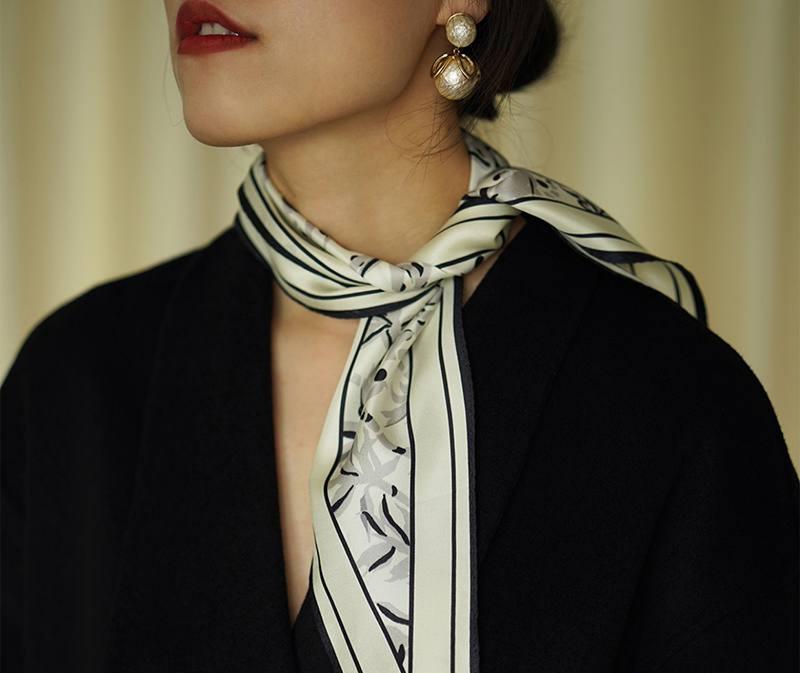

What Are the Key Techniques for Screen Printing on Silk Scarves?
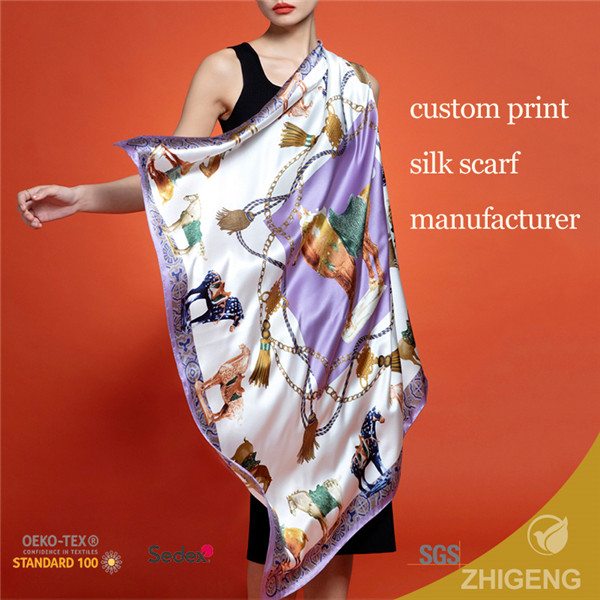
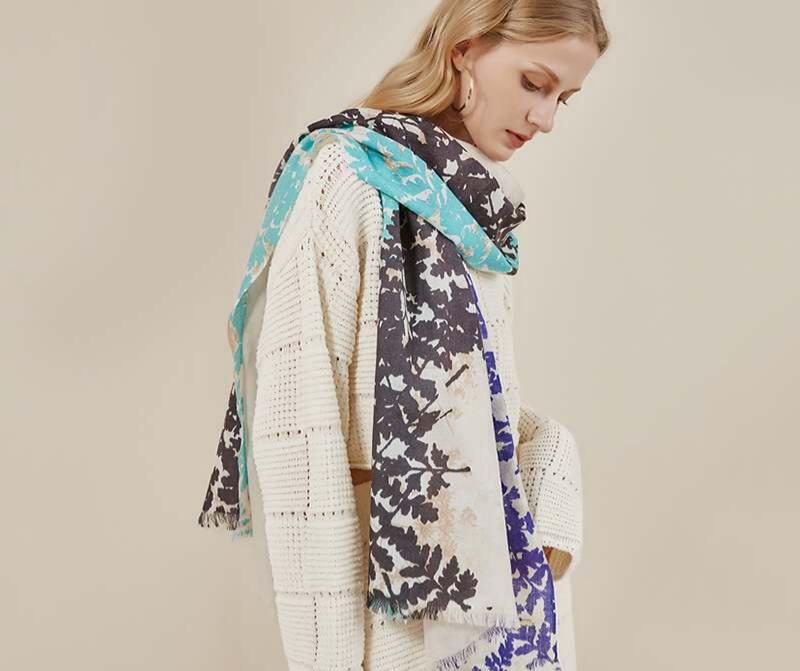
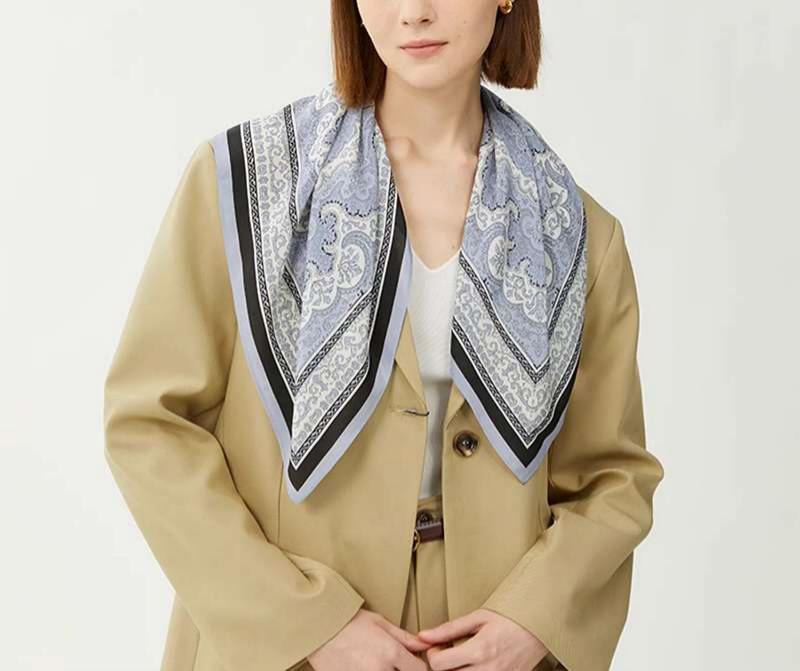
Silk scarves have always represented grace, skill, and enduring fashion. Among various printing approaches today, screen printing stands out as a highly valued method for creating vivid hues, solid coverage, and precise details. Learning how to screen print on silk scarves goes beyond simple fabric knowledge. It calls for accuracy, material understanding, and strict process management.
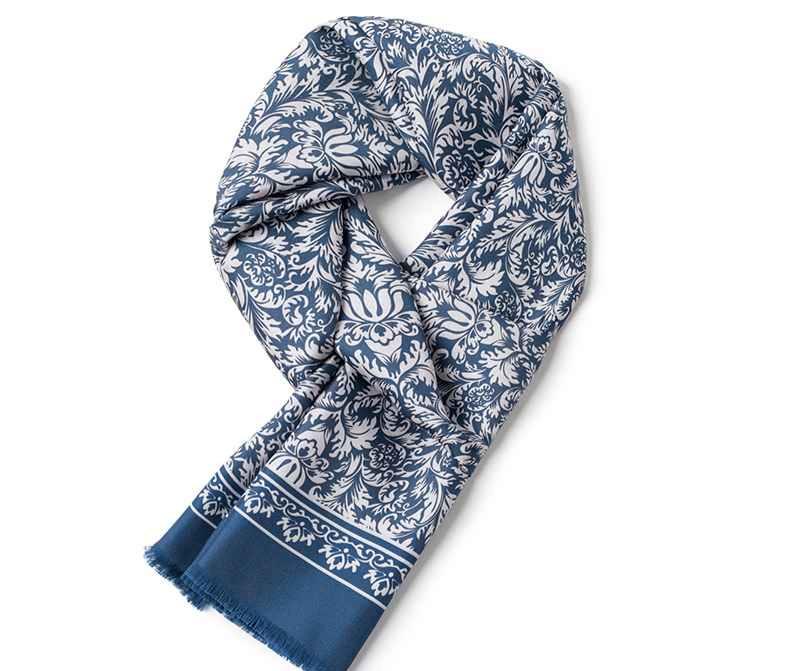
In this guide, we will examine vital silk scarf screen printing techniques. These include choosing inks, selecting mesh counts, managing temperatures, and handling finishing steps. If you are a creator, business owner, or fabric lover, grasping these ideas leads to bright, durable outcomes.
What Is Screen Printing on Silk Scarves?
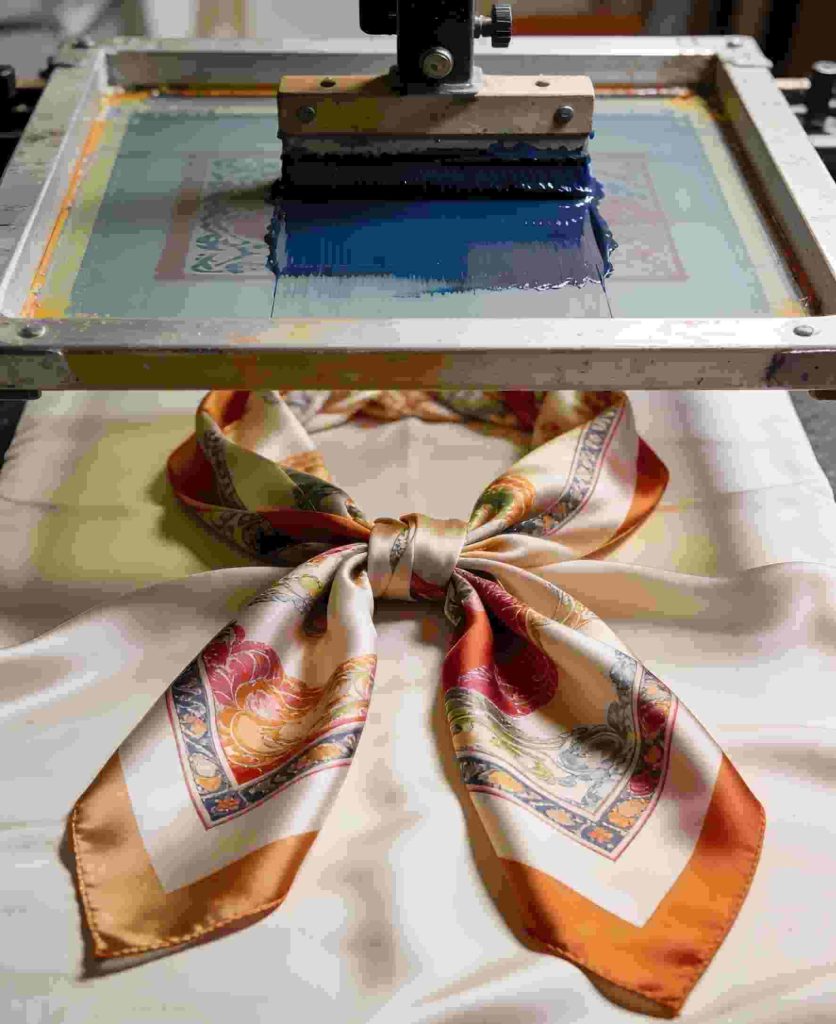
Screen printing on silk means applying ink or dye to cloth via a mesh template. Each shade in the pattern needs its own screen. Thus, this method works well for striking images and full color areas.
Unlike digital techniques, screen printing yields deeper tones and a textured feel that echoes classic artistry. Yet, silk’s fragile quality demands gentle care. This helps avoid twisting, contracting, or harm to the surface.
How to Screen Print on Silk Scarves Without Damaging the Fabric?
Silk consists of protein fibers. It behaves unlike cotton or man-made materials. To grasp how to screen print on silk scarves correctly, readying the material matters greatly.
Fabric Preparation
Prior to printing, silk needs degumming and thorough cleaning to eliminate dirt. This step promotes uniform dye uptake. It also lowers chances of patchy shades. Stabilizing tension counts just as much. Silk tends to move during the printing process.
Mesh Count for Silk Screen Printing on Scarves
Picking the right mesh count for silk screen printing on scarves affects ink movement and image sharpness. Delicate silk cloths usually need elevated mesh counts. These range from 120 to 200 threads per inch. Such counts stop too much ink from gathering. At the same time, they keep pattern accuracy.
An incorrect mesh count might cause ink to pool. Or it could lead to weak coverage.
What Is the Best Ink for Screen Printing on Silk Fabric?
Choosing ink greatly influences flexibility, strength, and shade brightness.
Best Ink for Screen Printing on Silk Fabric
For top results, reactive dyes prove popular. Reactive dye screen printing on silk lets the dye link chemically to silk strands. This keeps the material supple. It also guarantees lasting color stability.
As an option, water-based ink for silk scarves suits some situations. It creates subtler looks and supports green manufacturing. Still, pigment inks might rest atop the cloth. That could alter the fabric’s natural flow.
Preventing Ink Bleeding on Silk Scarves
Silk feels sleek and soaks up fluids quickly. So, preventing ink bleeding on silk scarves demands exact thickness adjustment. Suitable pre-treatment and steady squeegee force reduce spreading. Exact positioning avoids mixing or fuzzy borders in designs with many colors.
How Does Temperature Control Affect Silk Screen Printing?
Silk reacts strongly to warmth. Wrong heat levels might trigger shrinking or fiber harm.
Temperature Control for Silk Screen Printing
Handling temperature control for silk screen printing proves essential in both printing and setting phases. Different from cotton, silk needs milder heat levels. It also requires careful warmth application.
Curing Temperature for Silk Fabric Printing
The best curing temperature for silk fabric printing varies by ink kind. Reactive dyes often use steaming over intense heat for setting. Steaming helps dye parts connect to silk proteins. And it avoids burning the material.
Wrong setting could cause colors to fade. Or it might weaken resistance to washing.
Key Technical Factors in Silk Scarf Screen Printing
Here is a basic technical overview. It points out main elements.
| Technique Factor | Recommended Approach for Silk |
| Ink Type | Reactive dye or water-based ink |
| Mesh Count | 120–200 threads per inch |
| Printing Pressure | Light, controlled squeegee pressure |
| Temperature Control | Low heat, steam fixation preferred |
| Curing Method | Steaming for reactive dyes |
| Alignment | Manual precision for multi-color designs |
These adjustments secure lively shades, toughness, and suppleness.
What Finishing Techniques Enhance a Screen Print Scarf?
Printing forms just one stage. Finishing shapes the ultimate luxury charm.
Following dye setting and rinsing, scarves get softening care. This brings back their sleek feel. Edge methods like hand-rolled borders or neat machine edges boost both strength and visual appeal.
Thorough checks confirm that positioning, shade uniformity, and cloth condition hit high marks.
Why Work with an Experienced Screen Print Scarf Manufacturer?
Screen printing on silk demands exact skills and know-how. Makers must grasp ink reactions, cloth traits, and completion steps. This produces steady outcomes.
Experts balance mesh count, ink thickness, force, and steaming times for best results. Lacking this skill might bring problems like uneven dye intake or cloth warping.
Why Is Zhigeng Silk Known for High-Quality Screen Print Scarf Production?
At Zhigeng Silk, we focus on crafting superior screen print scarf lines with cutting-edge reactive dye screen printing on silk. We recognize that excelling in silk scarf screen printing techniques involves thorough readying, accurate positioning, and firm heat oversight.
We pick fitting mesh count for silk screen printing on scarves with attention. This ensures crisp lines and strong shade depth. Our group stresses preventing ink bleeding on silk scarves. We do this by adjusting ink thickness and squeegee force at each production point.
At Zhigeng Silk, we emphasize temperature control for silk screen printing too. We apply steam setting over too much heat. This shields the fine silk strands. As a result, it secures enduring shades and keeps each scarf’s innate softness.
Our items feature tailored multi-shade screen print scarf patterns with manual edge work and rigorous checks. We provide OEM and ODM options. These aid creators and firms with matched shades, prototypes, and growing output plans.
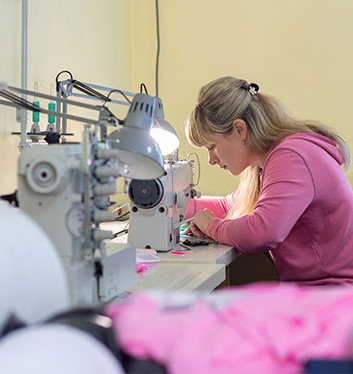
Through mixing exact methods with artistry, Zhigeng Silk supplies screen-printed silk scarves that mix strength, grace, and fine touches.
FAQ
Q: What is the best ink for screen printing on silk fabric?
A: Reactive dyes rank as the top choice. They connect chemically with silk fibers. This preserves flexibility and provides enduring shade brightness.
Q: How can I prevent ink bleeding on silk scarves during screen printing?
A: Right pre-treatment, proper mesh count choice, managed squeegee force, and precise ink thickness control stop bleeding. They also ensure sharp borders.
Q: What curing temperature is safe for silk fabric printing?
A: Silk calls for cooler curing temperatures than cotton. Reactive dye screen printing generally employs steam setting. This avoids harming the fabric’s structure.

 consult
 WHATSAPP
 leave message
 top
top