


Wolle vs. Baumwolle: Was ist besser für den Winter?
Was macht Wolle und Baumwolle Schals so anders?
Wie unterscheiden sich Wolle und Baumwolle in Textur und Gefühl?
Wolle und Baumwolle sind beide beliebte natürliche Fasern. Doch sie bieten ganz unterschiedliche Gefühle in Schals. Wolle zeichnet sich durch ihre gemütliche und etwas raue Berührung aus. Dies beruht darauf, dass Wollfasern natürlich wellig sind. Dadurch erhalten Schals eine vollere Textur. Diese Welle bildet hitzefangende Lufträume. Somit treten Wolltücher als weich und gemütlich auf.
Baumwolle im Vergleich verleiht eine glatte und luftige Oberfläche, die sich freundlich auf der Haut anfühlt. Baumwolle scheint glatt und weich. Wolle erscheint solide und rau. Es eignet sich für Menschen mit zarter Haut oder für diejenigen, die die seltene prickligkeit von grundlegender wolle vermeiden.
Welches Material bietet im Winter bessere Wärme?
Um warm zu bleiben, nimmt Wolle die Führung. Wolle hält Wärme in Faserlücken. Es liefert 30-40% mehr Schutz als ähnliche Mengen an Baumwolle. Wolltücher passen also gut zu echten kühlen Bereichen oder Außenaufgaben.
Baumwolle bleibt luftig und nicht schwer. Es funktioniert besser für das Stapeln oder an sanfteren Tagen. Baumwolle nimmt Feuchtigkeit schnell auf. An feuchten Stellen wird es schnell eingeweicht. Dann wird es schwer und fällt seinen Wärmehalt ab. Wolle hält Wärme, auch wenn sie nass ist. Baumwolle verliert jedoch oft ihre Wärmefähigkeiten, wenn sie feucht ist.
Ist Komfort oder Stil wichtiger in einem Winterschal?
Wie beeinflusst jeder Stoff die Stilwahl?
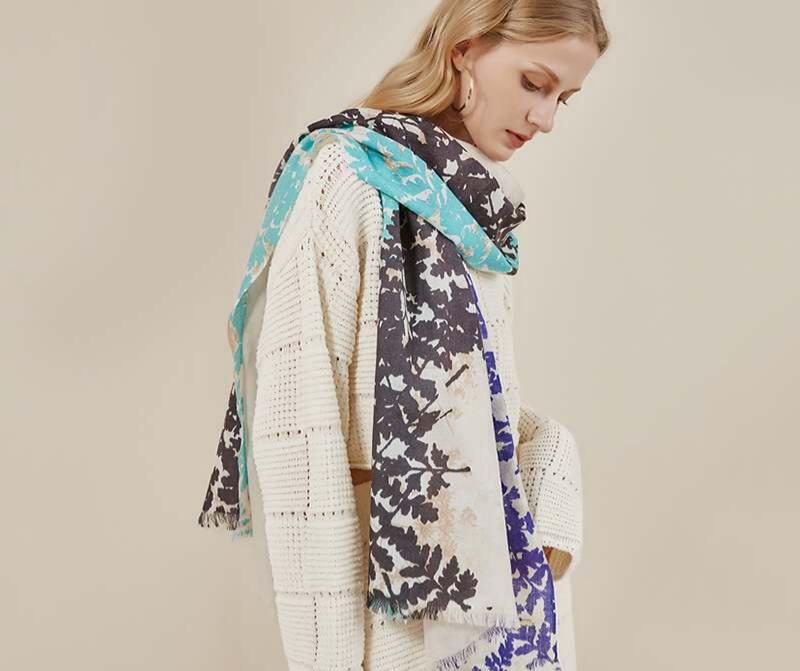
Wolltücher zeigen in der Regel dickere Gewebe und natürliche Farbtöne. Sie bauen einen zeitlosen Winterlook auf. Ihre Konstruktion ermöglicht es ihnen, die Form schön zu halten. Dies macht sie ideal für kühne Verpackungen oder Schlüsselteile. Wolltücher führen im Feld der kalten Jahreszeit. Sie leuchten vor allem in Europa und Nordamerika.
Baumwollschals neigen dazu, schlanker zu sein und frei zu hängen. Dadurch können sie sich schön über entspannte Kleidung oder für den inneren Trag schichten. Sie kommen in vielen Mustern und Farbtönen. Oft haben sie moderne oder kreative Designs, die Stil ohne Dicke bringen.
Welcher fühlt sich besser gegen die Haut an?
Für Menschen mit Hautproblemen gewinnt Baumwolle in der Regel. Baumwolle verhindert Allergien und bleibt sanft und leicht. Wolle kann manchmal kratzerig fühlen. Dies passiert mehr bei billigeren Arten. Dennoch geben Top-Auswahl wie Merinowolle oder Seide-Wolle-Mischungen ein viel milderes Gefühl.
Wie kümmern Sie sich um Wolle vs. Baumwollschals?
Ist der eine leichter zu waschen als der andere?
Baumwollschals benötigen weniger Arbeit für regelmäßige Wartung. Baumwollschals sind in der Regel maschinenwaschbar und wartungsarme. Sie können sie oft in kaltem Wasser mit weicher Seife reinigen. Dann legen Sie sie flach, um zu trocknen.
Wolltücher Fordern Sie eine sanftere Behandlung. Wollfasern biegen sich ohne dauerhafte Veränderung. Schals halten auch bei täglichem Gebrauch Form. Aber sie brauchen immer noch die richtige Pflege. Handwaschen mit wollfreundlicher Seife oder Trockenreinigung hilft oft, ihr Gefühl zu behalten und aufzuhören zu schrumpfen.
Was ist der beste Weg, sie während der Off-Seasons zu lagern?
Um Ihre Wolltücher in warmen Zeiten vor Motten zu schützen, bewahren Sie sie in Airbags mit Zederblöcken oder Lavendelbeutel. In atmungsaktiven Beuteln mit Zederblöcken oder Lavendelbeutel gefaltet wird dringend empfohlen.
Baumwollschals sollten in einem schattigen, trockenen Fleck weg vom Sonnenlicht gefaltet gehalten werden, um Farbwechseln oder verblassen zu verhindern.
Welches Schalmaterial passt am besten zu Ihrem Lifestyle?
Brauchen Sie etwas für Outdoor-Abenteuer oder tägliche Fehler?
Wenn Sie viel Zeit im Freien bei kühlem Wetter verbringen - wie auf Wanderungen, Arbeitsreisen oder offenen Veranstaltungen - passt Wolle am besten. Wollanzüge passen aufgrund ihrer ausgezeichneten Isolierung zum geplanten Inventar und zur Premium-Positionierung.
Baumwolle dient als nützliche Wahl für schnelle Aufgaben oder in Stellen, in denen Sie etwas Flair suchen, ohne zu heiß zu werden. Baumwolle dominiert die Komfort-First-Positionierung; Wolle dient Wärme-First-Anwendungen.
Suchen Sie eine langfristige Investition oder ein saisonales Trendstück?
Wolltücher tragen höhere Kosten, zahlen sich aber mit dauerhaftem Gebrauch zurück. Mit guter Pflege halten sie mehrere Jahre aus. Mit richtiger Pflege halten Wolltücher 7-10 Jahre.
Baumwollschals Kosten weniger und passen, wenn Sie Ihren Stil pro Saison ändern möchten. Sie bleiben billig genug, um neue Schattierungen und Looks auszuprobieren.
Was tun Zhigeng Silk’ s Schals Angebot in Bezug auf Qualität und Stil?
Warum wählen Sie Zhigeng Silks Wollstahl für Winterwärme?
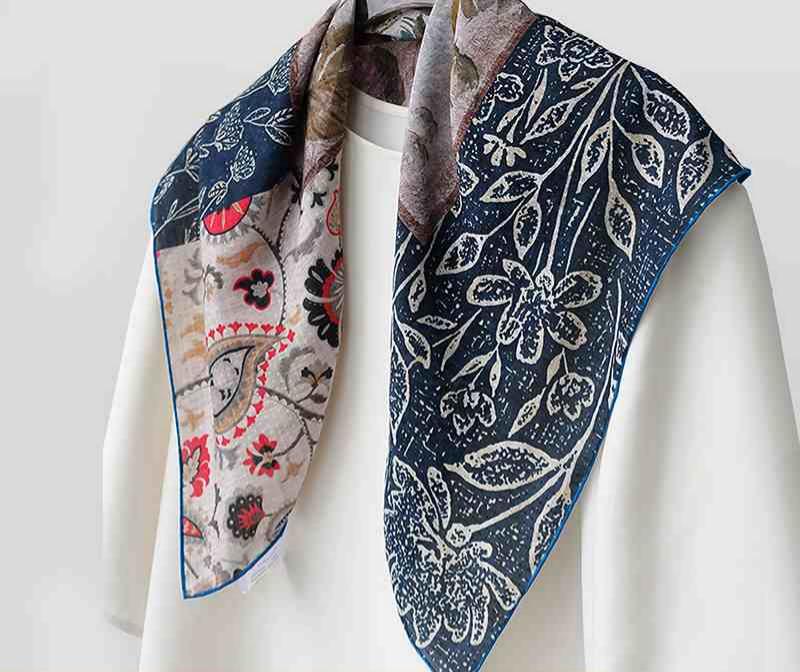
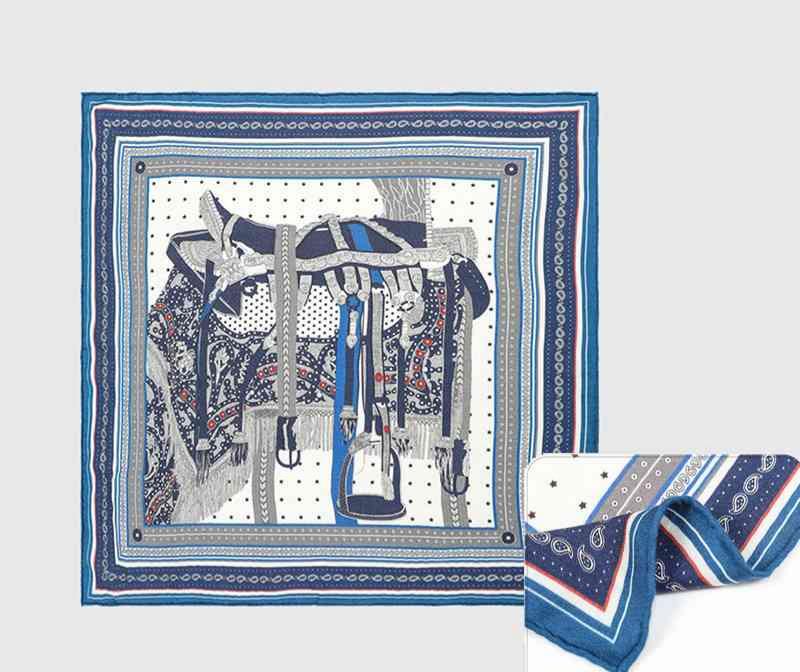
Bei Zhigeng Silk mischen wir 70% Wolle mit 30% Maulbeerseide, um doppelseitige digitale gedruckte Seidenschale herzustellen, die sowohl Wärme als auch Anmut bringen. Der doppelseitige Druck erfordert in der Regel ein qualitativ hochwertigeres, dickeres Gewebe, um die strukturelle Stabilität während der doppelschichtigen Färbung zu gewährleisten, was sicherstellt, dass Ihr Schal auf beiden Seiten lebendig bleibt.
Unsere Wolltücher funktionieren gut und sehen auch gut aus. Dies kommt aus unseren modernen Druckmethoden und feinem Herringbone-Gefühl. Doppelseitige Schals bieten reversibles Styling, so dass Träger zwischen zwei Mustern oder Farbschema mit einem einzigen Zubehör wechseln können.
Wie funktioniert Zhigeng SeideBaumwollschal im täglichen Gebrauch vergleichen?
Unsere Baumwollschals sind schlank, luftig und ideal für die Schichtung im Frühjahr oder Herbst. Wir verwenden OEKO-TEX zertifizierte Materialien, die sich gut auf der Haut fühlen und die Erde pflegen. Bei Hangzhou Zhigeng Silk glauben wir an die Schönheit und Vorteile von natürlichen Stoffen wie Baumwolle und Seide - jedes für seine Nachhaltigkeit und Komfort gewählt.
Wir bieten auch kundenspezifischen Digitaldruck auf Baumwollstoffen. Auf diese Weise können Sie Ihren Stil über spezielle Designs zeigen, die die Farbe gut halten. Unsere Tags helfen, Ihre Marke in einer leicht sichtbaren Form zu präsentieren, so dass Ihr Baumwollschal nicht nur ein Zubehör ist, sondern auch ein Ausdruck.
FAQ
F: Ist Wolle besser als Baumwolle bei kaltem Wetter?
A: Ja. Wolle bietet in der Regel eine bessere Isolierung als Baumwolle, was sie für kalte Klimaanlagen geeigneter macht.
F: Wie stylt man Outfits mit einem Baumwollschal im Winter?
A: Verwenden Sie Ihren Baumwollschal als Schichtstück über Pullover oder Langärmelige Hemden. Wählen Sie sich für reiche Farben oder Drucke, um visuelles Interesse hinzuzufügen. Sie können es auch locker um den Hals wickeln, um zusätzliche Wärme ohne Schütte zu erhalten.
F: Ist Wollstahl juckend?
A: Einige Arten von Wolle können juckend sein, aber hochwertige Optionen wie Merinowolle oder Seide-Wolle-Mischungen - wie unsere Angebote bei Zhigeng Silk - sind weich und bequem gegen die Haut. Die Mischung aus Seide und Wolle verbessert die Weichheit und reduziert die Kratzerei, die manchmal mit reiner Wolle verbunden ist.

 konsultieren
 WhatsApp
 Meldung hinterlassen
 Spitze