


Notizie correlate
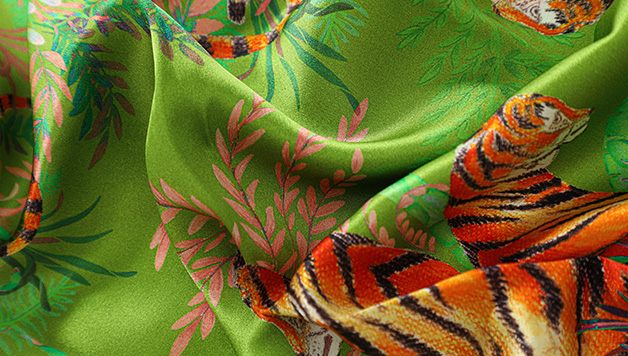
Tendenze per le sciarpe di seta da collo nel 2026: stampe, forme e domanda al dettaglio
Il Sciarpa di seta da collo Nel 2026 assume un ruolo più fresco. Piccoli quadrati, stampe artistiche e design reversibili attraggono boutique e marchi di moda. L'opportunità è quella di trasformare le tendenze visive in prodotti adatti.
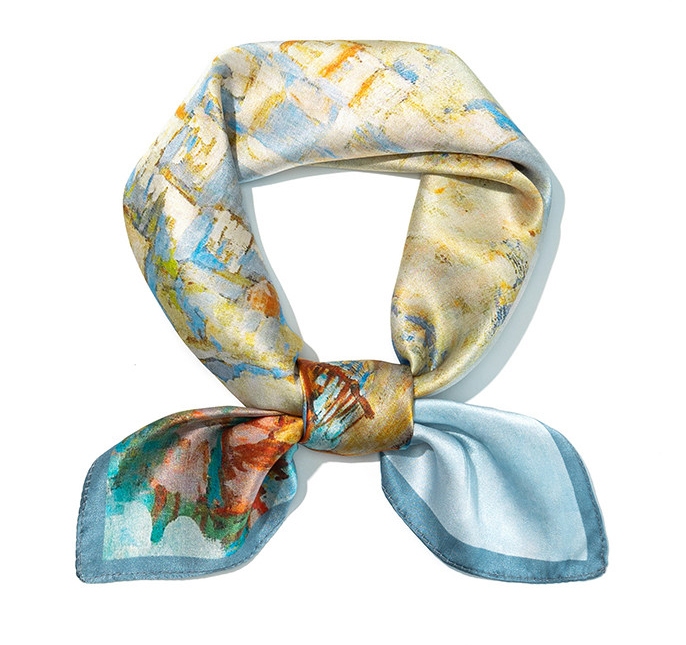
Perché le sciarpe di seta stanno guadagnando terreno nel settore della vendita al dettaglio nel 2026
Dalle sfilate di moda alle cravatte di tutti i giorni.
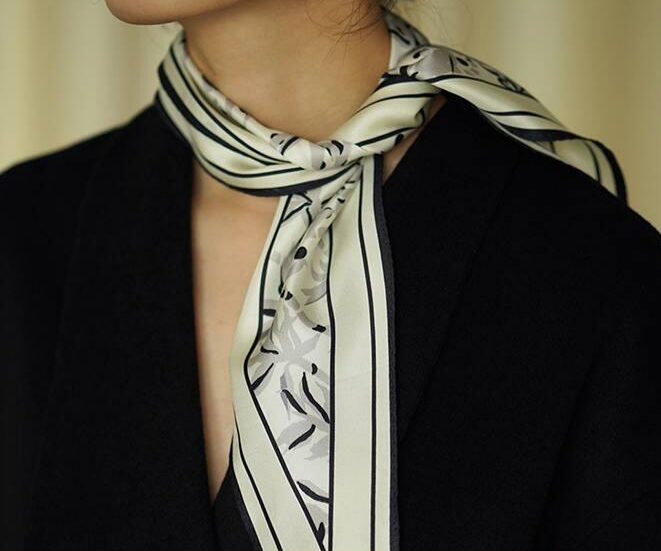
Oggi i consumatori indossano le sciarpe come foulard, fiocchi, fasce per capelli, accessori per borse e cinture strette. Questa versatilità offre sciarpa di seta stampata diverse storie di merchandising.
Gruppi di consumatori alla guida della ripresa
Le acquirenti più giovani usano piccole sciarpe per personalizzare outfit semplici. Chi acquista regali apprezza gli accessori di alta qualità, facili da scegliere. Anche le boutique e i marchi privati prediligono bordi moderni e stampe geometriche.
Ciò che i rivenditori dovrebbero considerare un segnale di tendenza
La visibilità in passerella non garantisce le vendite. Ricerche ripetute, richieste di campioni e modelli che si traducono in ordini all'ingrosso sono segnali più affidabili. Una collezione di prova mirata permette ai rivenditori di valutare la domanda prima di aggiungere altri colori o modelli.
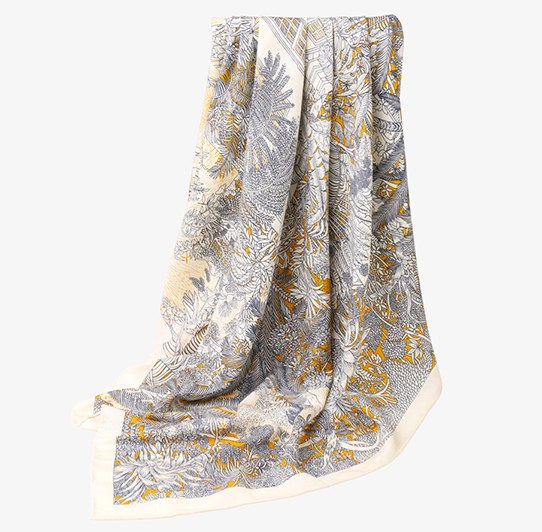
Tendenze per le sciarpe da collo in seta stampata: colori, motivi e tendenze di design
Grafica audace e stampe artistiche
Motivi floreali di grandi dimensioni, pennellate astratte, disegni a mano e composizioni geometriche si adattano perfettamente a una sciarpa di seta stampata, poiché la seta riproduce dettagli fini e colori saturi. I motivi principali dovrebbero rimanere attraenti anche dopo essere stati piegati.
Modelli tradizionali rivisitati per il 2026
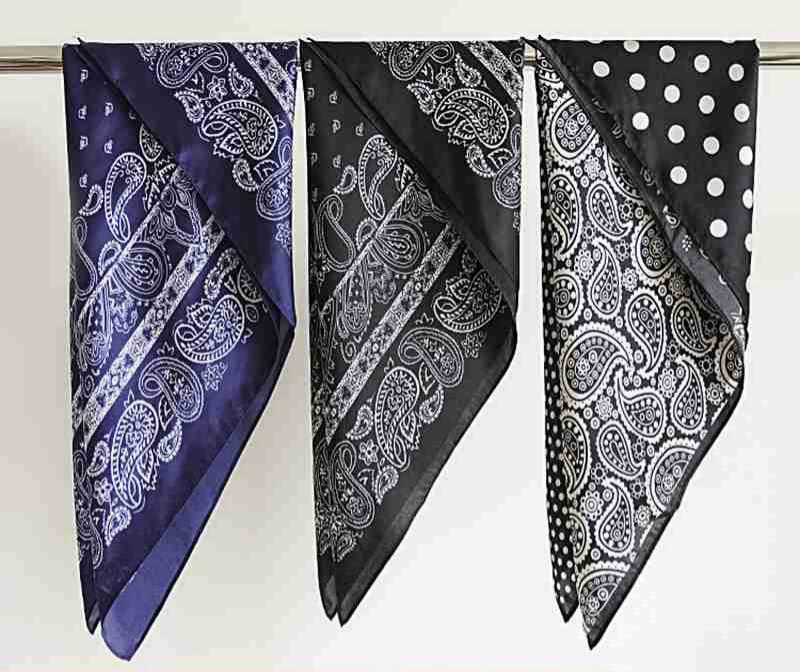
Le grafiche paisley e quelle a bandana rimangono familiari. Tuttavia, bordi più puliti, motivi ingranditi, layout asimmetrici e palette di colori più fresche conferiscono a un foulard di seta stampato un aspetto più contemporaneo.
Storie di colori per collezioni commerciali
Lo stile editoriale privilegia il contrasto. Le palette neutre favoriscono la ripetizione dell'utilizzo. Una gamma pratica può combinare una combinazione di colori espressiva con due opzioni commerciali.
Stampa digitale e flessibilità di progettazione
Una sciarpa di seta stampata digitalmente può riprodurre sfumature, fotografie, linee sottili e opere d'arte complesse. È particolarmente adatta per test su piccoli lotti. Ogni trama di seta interpreta il colore in modo diverso.
Forme e dimensioni delle sciarpe di seta da collo che i rivenditori dovrebbero tenere d'occhio
Foulard quadrati e foulard di seta stampati
Le dimensioni di circa 42 × 42 cm, 45 × 45 cm, 52 × 52 cm e 65 × 65 cm sono adatte per il collo, i capelli, il polso o la borsa. Il termine "foulard" solitamente suggerisce un formato compatto. "Sciarpa di seta stampata" è un termine più generico.
Sciarpe sottili e twill
Formati come 5 × 84 cm, 6 × 100 cm e 7 × 110 cm si prestano a fiocchi, nodi sottili, manici per borse e decorazioni per cinture. Le ripetizioni direzionali e i bordi netti funzionano bene. Dopo la piegatura, rimane visibile solo una piccola sezione.
Formati diamante, triangolo e quadrato medio
Le sciarpe a rombo e a triangolo riducono l'ingombro intorno al collo e sono facili da indossare. Le sciarpe quadrate di medie dimensioni, di circa 65-70 cm, offrono una maggiore copertura. Possono essere indossate sia al collo che sulla testa.
Dimensioni corrispondenti da utilizzare
Una sciarpa compatta è adatta per essere indossata solo intorno al collo. Un modello multiuso richiede più tessuto. Il file di stampa deve includere il margine di cucitura. Le dimensioni finali e il bordo rimangono precisi anche dopo l'orlatura.
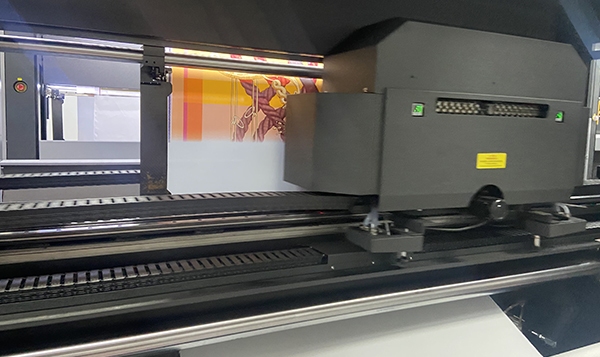
Tessuti e metodi di stampa alla base delle tendenze sciarpe del 2026
Twill, Raso, Crepe de Chine e Habotai
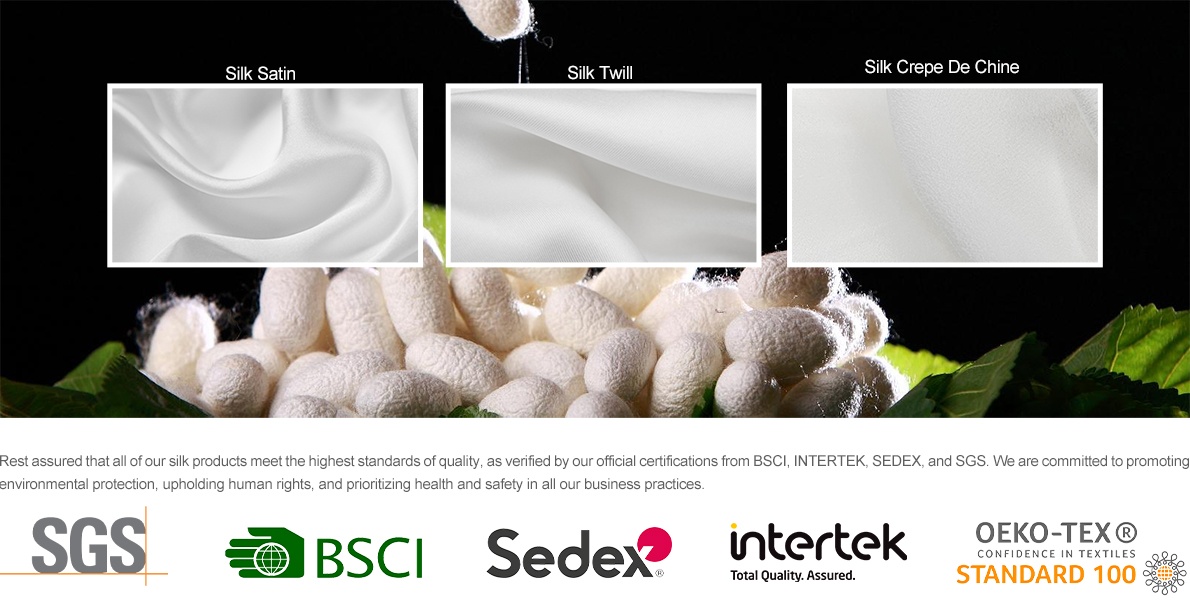
Il twill di seta offre struttura e una stampa nitida. Il raso dona lucentezza e una caduta fluida. Il crêpe de chine ha una texture opaca più morbida. L'habotai è leggero e confortevole. La scelta dipende dalla grafica, dalla sensazione al tatto e dal posizionamento sul mercato.
Stampa digitale su un solo lato o su entrambi i lati
La stampa su un solo lato è adatta a tessuti leggeri e a test in cui il costo è un fattore critico. Il retro è solitamente più leggero. La stampa su entrambi i lati consente di controllare entrambe le superfici. Questo è importante quando si osserva una sciarpa personalizzata da diverse angolazioni.
Peso Momme e aspetto del lato posteriore
I tessuti con una grammatura inferiore risultano più leggeri al tatto e generalmente consentono una maggiore penetrazione dell'inchiostro. I tessuti con una grammatura superiore offrono maggiore corposità. Le differenze di colore tra fronte e retro possono essere più evidenti con la stampa su un solo lato. I tessuti con una grammatura di circa 14, 16 o 19 momme sono adatti alla stampa fronte-retro.
Bordi arrotolati a mano e orli sottili
I bordi rifiniti a mano si adattano perfettamente ai quadrati di alta qualità e sottolineano la maestria artigianale. Gli orli a macchina di piccole dimensioni offrono una finitura uniforme e una produzione efficiente. La grafica del bordo deve essere pianificata in base alla finitura selezionata.
Sto progettando una collezione personalizzata di sciarpe di seta da collo.
Trasformare le tendenze in un piano SKU mirato
Un lancio gestibile potrebbe utilizzare una sola forma, due o tre stampe e una palette di colori controllata. Le opere d'arte di successo possono poi essere estese ad altri formati.
Noi di Zhigeng Silk sosteniamo stampa personalizzata Sviluppo di progetti per sciarpe di seta personalizzate. Questo include grafica, dimensioni personalizzate, selezione della seta, stampa su un solo lato o su entrambi i lati, etichette e confezionamento.
Preparazione delle illustrazioni per la produzione
Risoluzione, modalità colore e formati di file
Le immagini devono essere preparate nel formato di produzione e con una risoluzione di 200-300 DPI. I file RGB o Adobe RGB forniti in formato TIFF, PDF o JPG di alta qualità rappresentano un valido punto di partenza. Testi e loghi di piccole dimensioni devono rimanere nitidi anche alla scala di stampa effettiva.
Bordi e margini di cucitura
I dettagli importanti devono essere tenuti lontani dall'orlo. Il file deve includere il margine di cucitura corretto. Anche i disegni fronte-retro richiedono un allineamento accurato e una conferma tempestiva delle combinazioni di colori.
Etichette e imballaggi per marchi privati
Etichette del marchio e istruzioni per la cura
Una collezione a marchio privato potrebbe richiedere un'etichetta del marchio, un'etichetta con la composizione delle fibre, istruzioni per la cura e informazioni sul paese di origine. Posizionamento, taglia e colori devono essere approvati prima della produzione in serie.
Sacchetti per la vendita al dettaglio, buste e scatole regalo
Le buste di base proteggono le scorte all'ingrosso. Buste e scatole regalo valorizzano la presentazione. L'imballaggio deve essere adeguato alle dimensioni della sciarpa, al posizionamento sul mercato e al metodo di spedizione.
Come valutare un produttore di sciarpe di seta personalizzate
Quantità minima d'ordine (MOQ) e test su piccoli lotti
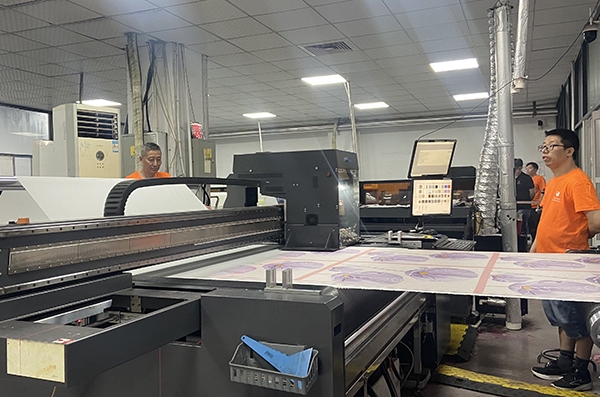
Gli acquirenti devono verificare se si applica un ordine minimo per modello, colore o per l'intero ordine. La stampa digitale consente la realizzazione di campioni singoli e la produzione di piccoli volumi. Presso Zhigeng Silk, i nostri ordini di stampa digitale personalizzata idonei possono generalmente partire da 10 pezzi per modello. Questo dipende dal tessuto, dalle dimensioni, dalla finitura e dall'imballaggio.
La serigrafia tradizionale richiede solitamente grandi quantità. Ogni colore necessita di una preparazione separata. È più adatta a design già consolidati e a volumi elevati.
Campionamento prima della produzione in serie
Un campione fisico permette di valutare colore, vestibilità, scala di stampa, aspetto del retro e qualità dei bordi. È inoltre la fase ideale per verificare dimensioni, spessore del bordo, posizione dell'etichetta e adattamento all'imballaggio.
Tempi di consegna e pianificazione della produzione
La campionatura richiede in genere dai 7 ai 10 giorni. La produzione in serie può richiedere dai 15 ai 21 giorni dopo l'approvazione. La lavorazione a mano, la stampa fronte-retro, gli imballaggi personalizzati e la capacità produttiva nei periodi di punta possono allungare i tempi. I rivenditori devono inoltre considerare i tempi per le revisioni, l'ispezione e la spedizione.
Controllo qualità e supporto ai fornitori
I controlli di qualità devono riguardare la seta grezza, la nitidezza della stampa, la consistenza del colore, le dimensioni, l'orlatura, le etichette, l'imballaggio e le quantità. I prodotti reversibili richiedono inoltre l'ispezione di entrambe le superfici stampate.
Gli acquirenti dovrebbero chiedere come vengono verificate la composizione della seta e il peso in momme. Dovrebbero controllare come vengono esaminate le opere d'arte. Dovrebbero anche verificare come vengono gestite le differenze di colore e come vengono risolti i difetti.
FAQ
Q: Quali sono le dimensioni più versatili per una sciarpa di seta da collo?
A: da 45 x 45 cm fino a 65 x 65 cm. Questi quadrati sono versatili e possono essere utilizzati come foulard, fasce per capelli, accessori da polso o accessori per borse. La dimensione dipende dall'uso principale del prodotto, ad esempio come accessorio per il collo o come oggetto multiuso.
Q: Quale tessuto è più adatto per una sciarpa da collo in seta stampata?
A: Il twill offre struttura e una stampa nitida. Il raso dona lucentezza e movimento. Il crêpe de chine crea un effetto opaco più morbido. L'habotai è adatto per sciarpe leggere. La scelta dovrebbe basarsi sulla grafica e sul drappeggio desiderato.
Q: La stampa fronte-retro è migliore per una sciarpa di seta?
R: È utile quando entrambe le superfici rimangono visibili. È utile anche quando la seta più spessa limita la penetrazione dell'inchiostro. La stampa fronte-retro può creare colori coordinati o diverse combinazioni di colori. La stampa su un solo lato rimane efficace per tessuti più leggeri e piccole collezioni di prova.
Q: Qual è in genere il quantitativo minimo d'ordine (MOQ) per una sciarpa di seta personalizzata?
R: Il quantitativo minimo d'ordine (MOQ) dipende dal tessuto, dal metodo di stampa, dalla finitura e dall'imballaggio. La produzione con stampa digitale può iniziare con 10 pezzi per design. La serigrafia tradizionale generalmente richiede una quantità maggiore.
Q: Come si deve preparare la grafica per una sciarpa personalizzata?
A: Prepara il file nelle dimensioni di produzione, generalmente a 200-300 DPI. Utilizza un profilo colore RGB appropriato. Includi il margine di orlo. Mantieni loghi, testo o elementi di design importanti lontani dal bordo finito.

 consultare
 WhatsApp
 lasciare il messaggio
 superiore