

Mulberry Silk è vera seta? Come si confronta con altri tipi di seta
La seta è sempre legata al lusso, al lavoro qualificato e alla grazia naturale. Ma con le numerose opzioni di seta che ci sono ora, una domanda continua a emergere per gli acquirenti e le aziende: la seta di mulberry è vera seta? La risposta rapida è sì, ma il racconto completo mostra perché la seta di mulberry si distingue da altri tipi di seta in eccellenza, capacità e adattabilità.
In questo pezzo, esaminiamo cosa rende la seta di mulberry genuina. Lo confrontiamo anche con altre seta. Inoltre, spieghiamo perché è la scelta migliore per oggetti di seta di lusso, come sciarpe, cappucci e pezzi stampati su misura.
Cosa significa “vera seta” nel mondo tessile?
Per capire se la seta di mulberry è vera seta, dobbiamo prima spiegare cosa significa veramente “vera seta” da un punto di vista tessuto e biologico.
La vera seta è una fibra proteica naturale fatta da vermi da seta. Differisce dalle fibre false che copiano l’aspetto della seta. La vera seta si forma quando i vermi della seta creano bozzoli da fili in corso. I lavoratori raccolgono questi fili, li avvolgono e li tessono in tessuto. Quindi, qualsiasi materiale di questo metodo di verme da seta naturale conta come vera seta.
La seta di mulberry corrisponde esattamente a questa descrizione: non è un'opzione falsa, miscelata o fatta dall'uomo.
Mulberry Silk è vera seta per definizione?
Sì, la seta di mulberry è sicuramente vera seta. In realtà, è la forma più pura e raffinata di seta naturale sul mercato oggi.
La seta di mulberry proviene da vermi da seta che mangiano solo foglie di mulberry. Questa rigorosa alimentazione porta a fili di seta più fini, lucidi e più uniformi. E poiché i vermi da seta crescono in ambienti ben controllati, la seta che producono rimane costante in ombra, sensazione e tenacità.
Da un punto di vista della conoscenza delle fibre, la seta di mora è costituita da proteine fibroina - l'identico trucco visto in tutta la vera seta. Ciò che lo rende speciale non è la sua realtà. Piuttosto, è quanto i suoi tratti siano molto migliori di quelli di altre varietà di seta.
Come è Seta Mulberry Differente da altri tipi di seta?
Anche se tutta la vera seta inizia con vermi da seta, non ogni seta si forma in configurazioni identiche. Le variazioni provengono dai tipi di vermi da seta, dal cibo, dalle condizioni di crescita e dai modi di gestione.
Confronto tra Mulberry Silk e altri tipi di seta comuni
Mulberry Silk contro Wild SilkLe seta selvatiche, come la seta tussah, nascono da vermi da seta che mangiano foglie assortite in punti selvatici. Questi fili spesso si rivelano più corti, più ruvidi e meno costanti. Il panno di solito mostra un aspetto più robusto e un tocco un po 'più grossolano. La seta di mulberry, d'altra parte, si sente più liscia, più sottile e naturalmente lucida. Il suo filo uniforme lo consente di trasformarsi in panni con un migliore flusso e delicatezza, e questi tratti vengono apprezzati in sciarpe e oggetti di lusso.Mulberry Silk vs. Tessuti miscelati o "come la seta"Alcuni panni venduti come “seta” potrebbero mescolarsi con fibre false o materie vegetali con seta. Oppure vengono fatti imitare il suo luminosità. Mentre questi possono sembrare seta all'occhio, mancano l'aria della seta, la costruzione di proteine e i tratti della pelle. La seta di mulberry ha zero falsi stand-in. Rimane aria, equilibra il calore e gentile con la pelle sensibili. Quindi, si dimostra un'opzione affidabile per gli usi di stile e salute.
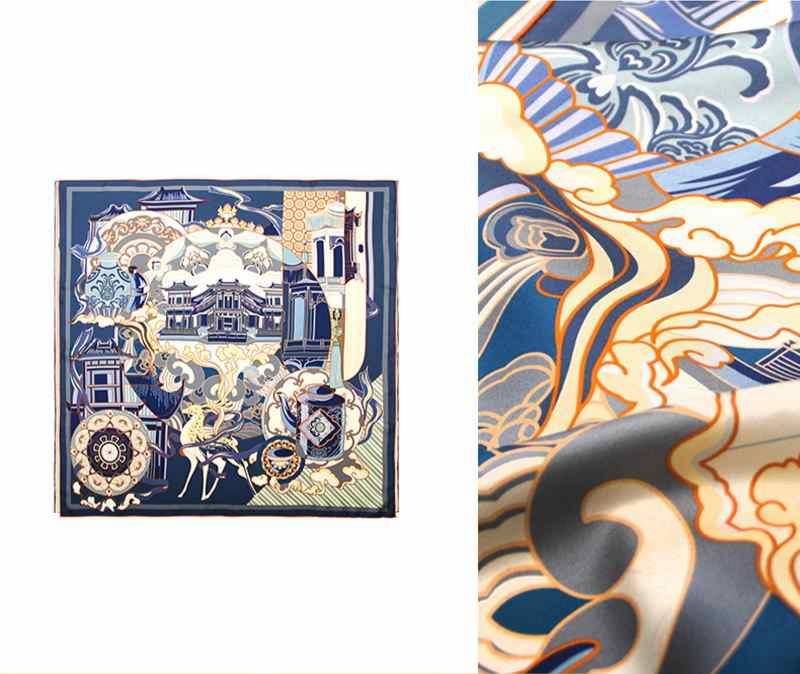 Perché Mulberry Silk è considerato il più alto grado di seta?Le persone nel campo della seta vedono ampiamente la seta di mulberry come lo standard d'oro per varie cause:
- Lunghezza e resistenza della fibra: i fili di seta di mulberry si allungano più a lungo e si rompono meno facilmente. Di conseguenza, il tessuto finisce per essere più duro e duraturo.
- Eccezionale liscità: la costruzione costante riduce lo strofinamento. Questo aiuta molto in articoli per capelli e pelle.
- Lusciore naturale: la seta di Mulberry rimbalza la luce senza problemi. Darà una lucentezza delicata e elegante invece di un brillante abbagliamento.
- Proprietà ipoallergeniche: le sue proteine naturali combattono gli acari e gli irritanti. Quindi, funziona bene per il lungo tocco della pelle.
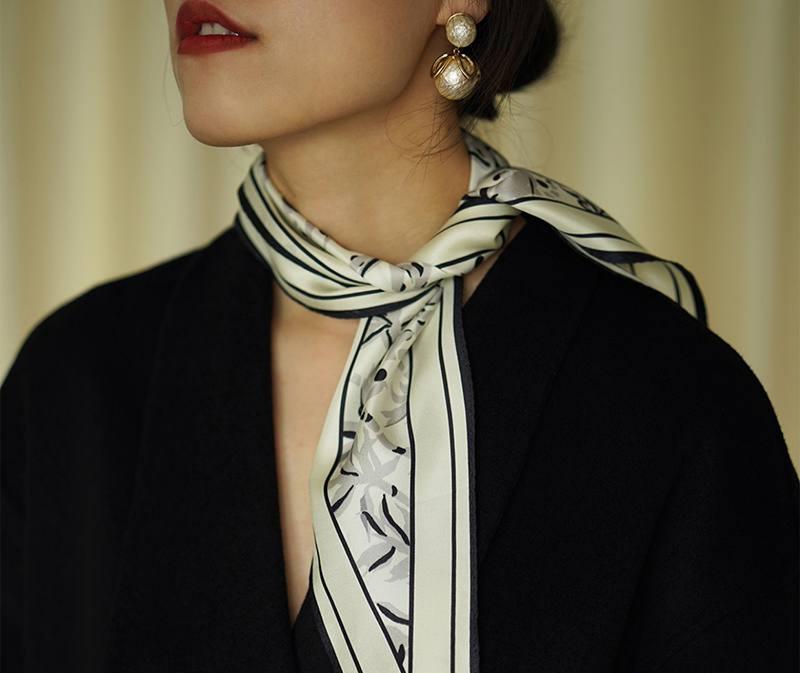
Grazie a queste caratteristiche, la seta di mora appare spesso in sciarpe di alto livello, cuscinetti, cappucci e articoli di riposo.Come funziona Mulberry Silk in sciarpe e accessori?Nelle sciarpe e negli indossabili, la seta di mulberry si miscela e si usa bene. Fluisce senza problemi, afferra molto bene le tonalità brillanti e rimane fresco nel calore. Eppure offre un lieve calore nel freddo. Per i prodotti di seta stampata, la seta di mulberry viene altamente apprezzata. La sua faccia uniforme supporta la stampa ad alta definizione. Questo mantiene i modelli chiari, le tonalità profonde e le opere d'arte durevoli. E non danneggia la sensazione delicata del panno.Perché la stampa personalizzata conta per i prodotti di seta MulberryMentre i wearable della seta agiscono più come marchi e spettacoli creativi, la personalizzazione cresce come chiave come la qualità del tessuto. La seta stampata su misura consente alle aziende di spostare disegni, motivi e segni su un panno che solleva l'oggetto finale. La stampa digitale sulla seta di mulberry mantiene i punti sottili pur rispettando le regole di green making. Il risultato è una sciarpa o cappuccio che tocca lussuoso. Allo stesso tempo, condivide identità, storie o valore creativo attraverso la vista.Come lavoriamo con Mulberry Silk Seta ZhigengUna volta che sai cosa rende la seta di mulberry reale e migliore, aiuta a vedere come viene utilizzata nella produzione reale. A Zhigeng Silk, ci atteniamo solo alla seta di mulberry superiore. Realizziamo prodotti indossabili in seta fine per i marchi e gli acquirenti esigenti di oggi. Ci concentriamo su prodotti di seta di mulberry stampati su misura. Questo combina la resistenza del tessuto con le capacità di stampa fresche. La nostra gamma comprende sciarpe di seta di morello e cappucci di seta di morello. Entrambi consentono la completa sartorialità. Gestiamo idee di stampa personalizzate, abbinamento delle ombre, modifiche delle dimensioni, lavoro sui bordi e imballaggio di marca propria. Che si tratti di una sciarpa d'arte sorprendente o di un semplice cappuccio di seta, i nostri passi mirano a trasformare idee fresche in vera vita della seta. Forniamo Servizi ODM e OEM Anche loro. Ciò consente ai marchi di costruire linee di seta uniche con piccoli minuti di ordine. Dalla preparazione dello schizzo all'ultima spedizione, mettiamo l'accento sui controlli di qualità, sui modi verdi e sulle mani esperte ad ogni passo. Trattiamo la seta non solo come un tessuto, ma come un modo per raccontare storie. Collegando la vera seta di mulberry con abilità di stampa su misura, aiutiamo i partner a realizzare beni che sembrano vicini, lussuosi e duraturi. In Zhigeng Silk, la realtà va oltre le cose: comprende apertura, equità e costante lavoro di squadra.
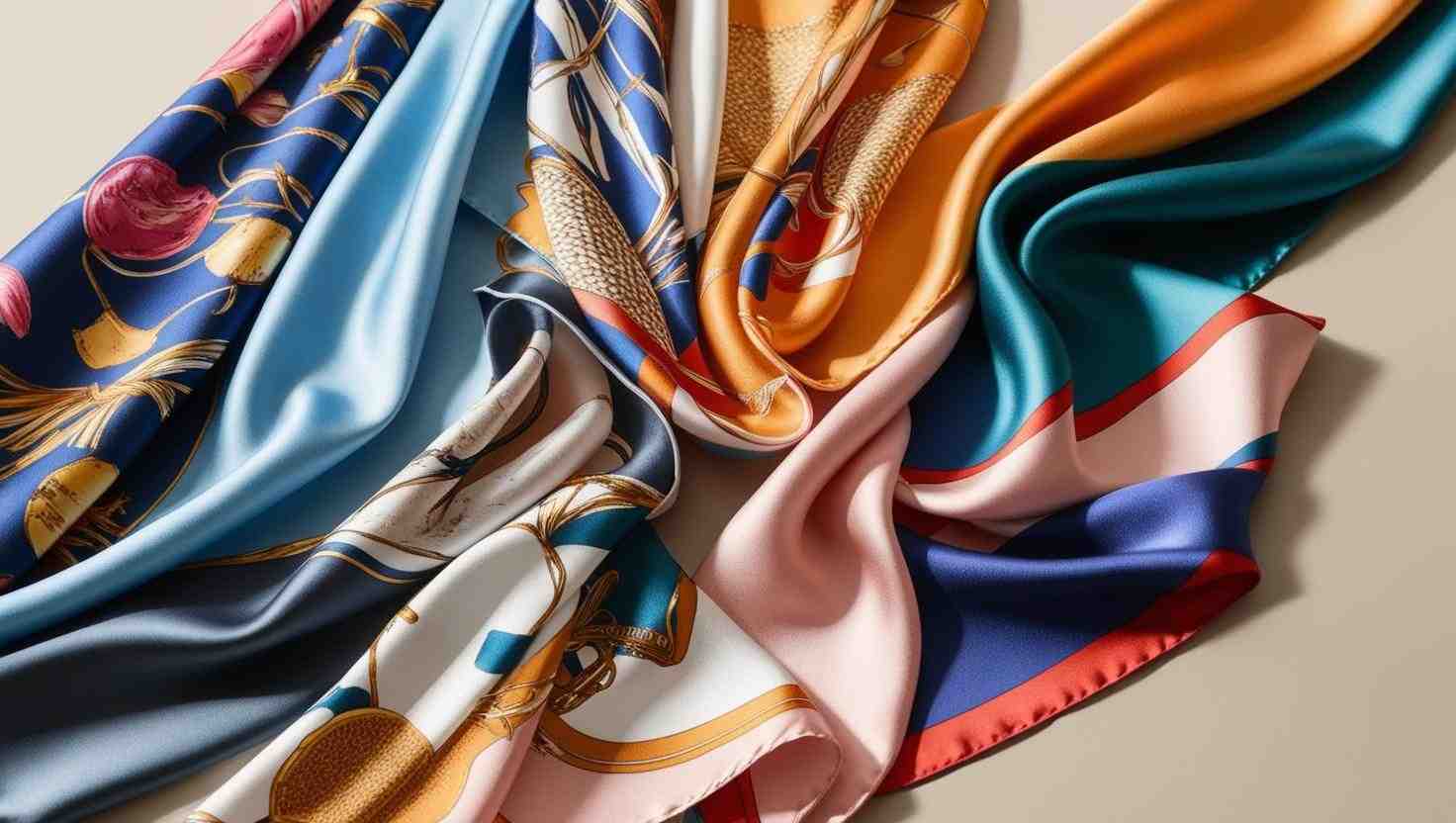 FAQD: La seta di mulberry è vera seta o solo un termine di marketing?R: La seta di mulberry è assolutamente vera seta. Si tratta di una fibra proteica naturale prodotta da vermi da seta alimentati esclusivamente su foglie di mora, rendendola una delle forme più pure e di alta qualità di vera seta.D: Perché la seta di mulberry è più costosa di altre seta?A: La seta di mulberry costa di più a causa del suo processo di produzione controllato, delle fibre più lunghe e lisce, della maggiore durata e della sensazione superiore. Queste qualità richiedono un'attenta coltivazione del verme da seta e una lavorazione meticolosa.D: La seta di mulberry è adatta per sciarpe e cappucci stampati su misura?R: Sì. La seta di mulberry è ideale per la stampa personalizzata perché la sua superficie liscia conserva il colore eccezionalmente bene, consentendo disegni stampati dettagliati, vibranti e di lunga durata senza sacrificare morbidezza o comfort.
| Caratteristiche | Seta Mulberry | Seta Tussah (seta selvaggia) | Eri Seta |
|---|---|---|---|
| È vera seta? | Sì (100% seta naturale) | Sì (seta naturale) | Sì (seta naturale) |
| Silkworm dieta | Foglie di Mulberry solo | Foglie selvatiche miste | Foglie di ricino |
| Lunghezza della fibra | Molto lungo e continuo | Più breve e disuguale | Fibre corte |
| Testura & sentire | Estremamente liscia e morbida | Leggermente grossolano | Morbido ma meno liscio |
| Colore naturale | Bianco puro | dal beige al marrone chiaro | Crema a bianco |
| Luminosità (lucentezza) | Luminosità elevata e uniforme | Basso a medio | Finitura bassa, opaca |
| Forza & durata | Alto | Medio | Medio |
| Qualità di stampa | Eccellente per stampa personalizzata | Moderato | Moderato |
| Uso comune | Falpe, cappucci, accessori di lusso | Tessili artigianali | Scialli, tessuti etici |

 consultare
 WhatsApp
 lasciare il messaggio
 superiore