


The Ultimate Guide to Buying Mulberry Silk Fabric Online: Quality, Momme and Weaves Explained
Why Is Mulberry Silk Fabric So Highly Valued Today?
Over the past few years, mulberry silk fabric has turned into one of the top natural materials in fashion, accessories and home décor. Designers, brands and regular shoppers keep picking mulberry silk fabric. They like its soft touch, nice flow, gentle skin contact and solid lasting power. Still, getting mulberry silk fabric online isn’t always easy.
Unlike common fabrics, silk quality relies on a few key technical points. These often get skipped in listings, like momme weight, weave pattern, treatment steps and fiber level. If you don’t know these parts, you might end up with silk that seems the same in pictures. But it acts much differently in actual use.
This guide helps you purchase mulberry silk fabric online without worry. We cover how it’s created. We discuss ways to check quality. We explain why momme and weave count. And we note what to review before buying. This is key if you’re getting silk for custom prints or building a brand.
What Is Mulberry Silk Fabric and How Is It Produced?
Mulberry silk fabric comes from silk threads made by silkworms. These silkworms eat only mulberry leaves. That steady diet creates longer, tougher and steadier silk strands than other silks. So, these nonstop threads give mulberry silk fabric its usual softness, gentle shine and strength.
Mulberry silk differs from wild or blended silks. It grows in set conditions. That lets makers manage fiber size, power and purity. These things shape how the fabric acts in weaving, coloring and printing.
Why Does the Mulberry Diet Matter for Silk Quality?
A silkworm’s food choice shapes the protein setup in the thread. Silkworms on mulberry make silk with less dirt and even amino acid links. Thus, mulberry silk fabric feels gentler. It scatters light more smoothly. And it fights breaks better than other silks. This really helps for uses like scarves, outfits and printed items. There, looks and how it works both count.
How Can You Evaluate Mulberry Silk Fabric Quality When Buying Online?
When buying online, you can’t touch it. Quality checks depend on the seller’s sharing of tech info.
Which Quality Factors Matter Most for Mulberry Silk Fabric?
Fiber level comes first and is very important. Fine mulberry silk fabric picks longer strands with fewer ties and snaps. This leads to an even surface and longer life. Next, treatment quality counts. Bad treatment can turn good silk stiff or rough.
Evenness in the fabric is the last big point. Steady weaving, equal color take-up and tidy borders show good making. Trusted sellers give plain specs. They avoid loose words like “fine silk.”
What Certifications Indicate Trustworthy Mulberry Silk Fabric?
Labels like OEKO-TEX® mean the mulberry silk fabric got checked for bad stuff. This is extra key for skin-touch goods, like scarves, night clothes, pillow covers and eye covers. The label also shows careful coloring and treatment. These keep the fabric’s gentle feel and color hold as time goes on.
What Is Momme Weight and Why Is It Critical for Mulberry Silk Fabric?
Momme (mm) is an old way to gauge the heft and closeness of silk fabric. It shapes how heavy, tough and fancy the fabric seems.
How Does Momme Weight Affect Durability and Feel?
Silk with low momme, say 12–14 mm, stays light and open. It works well for loose scarves or decor. Medium momme, 16–19 mm, mixes soft with sturdy. It gets used a lot for add-ons and clothes. High momme silk, 22 mm and up, feels thicker and fuller. It brings stronger wear for daily or long use.
| Momme Weight | Fabric Feel | Durability | Typical Uses |
| 12–14 mm | Light, fluid | Low–Medium | Scarves, linings |
| 16–19 mm | Smooth, balanced | Medium–High | Scarves, pillowcases |
| 22+ mm | Dense, luxurious | High | Apparel, home textiles |
Selecting the correct momme makes sure your mulberry silk fabric does what you want. This is true for printing or everyday wear.
Which Weave Types Are Common in Mulberry Silk Fabric?
Besides momme, weave pattern sets how mulberry silk fabric appears, touches and falls.
How Do Different Weaves Change the Look and Performance?
Weave sets the surface feel, light bounce and how ink or color bonds with the fabric. Some weaves boost gloss. Others focus on form or gentleness. Getting weave types lets buyers pick silk that fits style and use needs.
What Are the Most Popular Weaves for Mulberry Silk Fabric?
| Weave Type | Appearance | Texture | Common Applications |
| Silk Satin | High sheen | Ultra-smooth | Scarves, sleepwear |
| Silk Twill | Subtle texture | Structured | Luxury scarves |
| Crepe de Chine | Matte | Soft, fluid | Apparel, scarves |
| Habotai | Light sheen | Crisp, lightweight | Printing, lining |
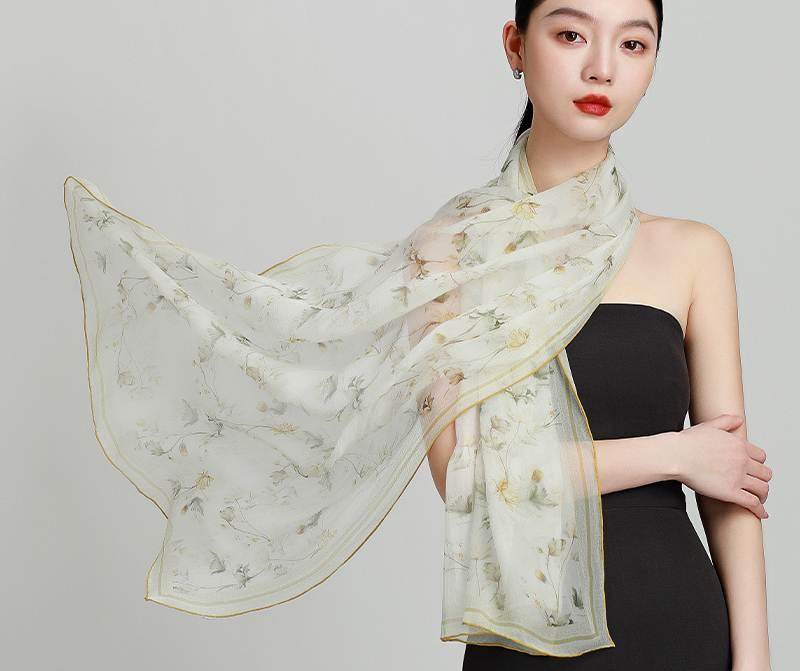
In custom print jobs, weave pick changes color sharpness and ink soak. Satin and twill stand out for printed silk scarves. They mix evenness with steadiness well.
What Should You Check Before Buying Mulberry Silk Fabric Online?
Even if quality and specs seem fine, little details can change things a lot.
Which Product Details Are Often Overlooked by Buyers?
Fabric width gets overlooked a lot. It changes how well you lay out cuts and how much waste you have. Shrinkage amount is another point. Silk might pull in a touch after treatment. So, factor that into making.
Buyers also need to check if the mulberry silk fabric fits one-side or two-side printing. Thickness and weave affect how prints turn out.
How Can You Avoid Common Online Purchasing Mistakes?
Don’t just go by photos. Always look at the tech notes. Ask for samples if you can. And double-check treatment ways. Talking clearly with the seller lowers the chance of what you get not matching what you thought.
Why Choose a Specialized Supplier for Mulberry Silk Fabric?
Mulberry silk fabric isn’t a basic material. Expert suppliers know how to pick fibers, set weave pull, match printing and check quality. This skill helps brands make custom goods. For those, even batches are vital.
Why We at Zhigeng Silk Focus on Custom-Printed Mulberry Silk Fabric
We are a silk maker in Hangzhou. We deal with mulberry silk fabric each day. At Zhigeng Silk, we focus on custom print and ODM/OEM silk production. We help brands shape fresh thoughts into ready silk items.
We choose picked 6A-grade mulberry silk fabric, OEKO-TEX certified for safety and sustainability. We give many momme weights and weave picks to fit design aims. Our print skills cover one-side and two-side digital work. This lets us get bright colors, clear lines and steady outcomes on silk satin, twill and crepe fabrics.
Our goods cover custom-printed silk scarves, silk wool mix scarves, silk eye masks and more silk add-ons. We allow small minimum orders. We send samples before big makes. And we lead clients on picking fabric, print types, edge work, tags and packing. To us, mulberry silk fabric is more than a thing. It is the base for every custom part we make.
FAQ
Q: What momme weight is best for mulberry silk fabric?
A: The right momme fits the job. For scarves and printed add-ons, 12–16 momme brings lightness and easy flow. But 16–19 momme gives more strength. Outfits and home goods usually need 19–22 momme or higher.
Q: How can I verify mulberry silk fabric quality online?
A: Check for plain momme weight, weave type, label details and full specs. Good sellers share openly. They often give samples before big orders.
Q: Is mulberry silk fabric suitable for custom printing?
A: Yes. Mulberry silk fabric—mainly satin and twill weaves—goes great with digital printing. It makes strong colors and fine lines when treated well.

 consult
 WHATSAPP
 leave message
 top
top