




2026 Scarf Guide: Wool, Cashmere or Blends? Which Keeps You Warm Without Bulk?
Why Choosing the Right Winter Scarf Matters More in 2026
Winter outfits keep shifting in 2026. Shoppers do not want just basic cozy scarves anymore. Demands run higher these days. People seek scarves that give protection without bulk. They should feel nice on the skin. And they need to fit current layering trends. This trend draws fresh focus to fabric picks. It highlights contrasts between a wool scarf, a cashmere scarf, and mixed choices.
These three types all bring heat. Yet they handle mass, gentleness, flow, and daily comfort quite differently. Grasping these gaps is key. This holds true if you grab a scarf for yourself. Or if you source goods for a company or store lineup. This overview explains how wool, cashmere, and mixes operate. It details what provides heat without extra load. Plus, it guides you on picking the best scarf for your daily routine in 2026.
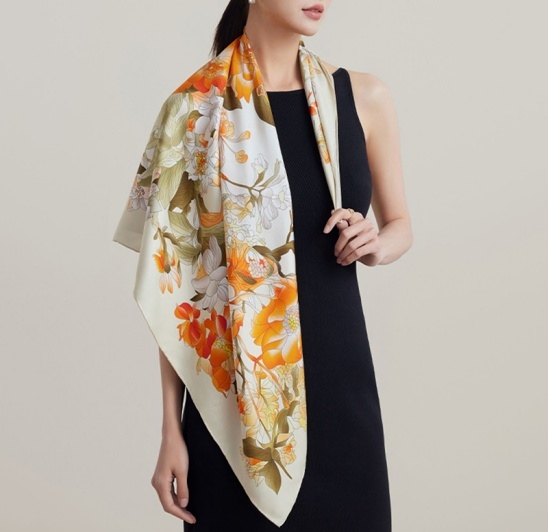
What Makes a Scarf Warm Without Bulk?
A scarf’s heat does not come solely from its thickness. Some of the coziest scarves actually feel quite light.
How Do Natural Fibers Retain Heat Efficiently?
Natural fibers lock in warmth by trapping air in their build. A fiber that grabs and holds air well insulates better. And it does this without needing more mass. Thin fibers with built-in waves or puff can beat out chunkier, rougher ones. This shows in their heat-to-mass balance.
Airflow matters as well. A scarf that holds heat but lets sweat out will seem cozier and easier to wear. It beats one that gets wet or heavy over time. Fiber build counts as much as cloth depth when you select a winter scarf.
What Is a Wool Scarf and Why Is It Still a Winter Essential?
A wool scarf keeps its spot as a top winter pick. It shines in cooler spots.
Which Types of Wool Are Commonly Used in a Wool Scarf?
Wool in scarves differs by strand size and feel. Certain wool strands run rougher and offer strong protection. Others come finer and gentler. Wool earns praise for managing temps, fighting smells, and keeping heat in wet spots.
Wool’s toughness makes it a go-to for scarves meant for outside time, trips, or long chills.
Key Advantages of a Wool Scarf
A wool scarf delivers solid protection, lasting power, and shape hold. It stands up to regular use. Over years, it keeps its build. Wool stretches naturally too. This lets scarves keep their look after many folds or ties.
On the practical side, a wool scarf usually costs less than cashmere. That makes it a favored option for routine winter days.
Limitations to Consider When Choosing a Wool Scarf
For all its upsides, a wool scarf might seem heavy if built from thick threads or tight patterns. Some folks sense regular wool as rough on delicate skin. Wool scarves can also add noticeable weight when paired with coats or jackets. This cuts options for city or indoor looks.
What Makes a Cashmere Scarf Different From Wool?
Cashmere ties to upscale vibes. But its charm reaches past just smooth touch.
Why Is a Cashmere Scarf Lighter Yet Warmer?
Cashmere strands prove much thinner than typical wool ones. That thin build fits more strands per area. It makes a compact yet light protective coat. So, a cashmere scarf supplies great heat. It stays clearly lighter and slimmer than a wool scarf.
Cashmere’s even surface aids its ease. It rests softly on skin. This suits those who view wool as scratchy or weighty.
When Is a Cashmere Scarf the Better Choice?
A cashmere scarf fits town living, office clothes, and layer-heavy setups well. It brings heat without burying a coat or jacket. It falls gracefully, not stiff or heavy. In fairly cool winters, cashmere meets needs with better comfort.
Trade-Offs of Choosing a Cashmere Scarf
Cashmere scarves call for extra upkeep. They handle rubbing less than wool. They can fuzz without right care. Cost comes up too. Top cashmere carries a markup from scarce strands and hands-on work.
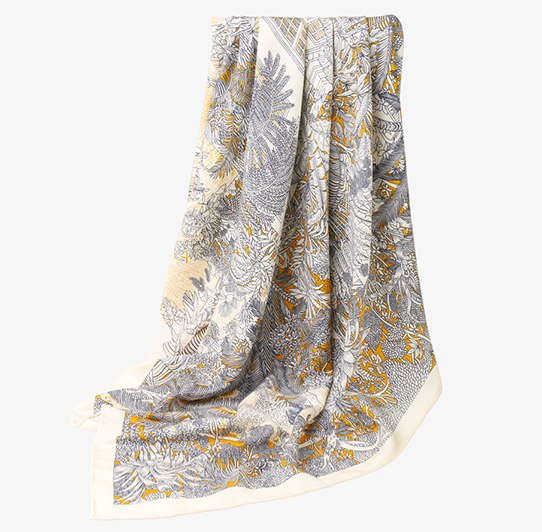
Are Wool and Cashmere Blends the Best of Both Worlds?
Mixed scarves gain ground. Buyers look for even balance.
How Do Wool–Cashmere Blends Improve Performance?
Blended scarves mix wool and cashmere to blend heat, gentleness, lasting quality, and value. Wool lends power and frame. Cashmere offers softness and low mass. The outcome tends to feel cozier than solo wool. It weighs less than full wool. And it outlasts pure cashmere.
Who Should Consider Blended Scarves in 2026?
Blends work for folks needing flexible scarves for outside and inside. Stores favor them in lines. They draw many buyers. They give fine touch without cashmere’s weakness or steep cost.
Comparison Table: Wool Scarf vs Cashmere Scarf vs Blended Scarf
| Feature | Wool Scarf | Cashmere Scarf | Wool–Cashmere Blend |
| Warmth | High | Very High | High |
| Weight | Medium–Heavy | Very Light | Light |
| Softness | Médio | Very Soft | Soft |
| Durabilidade | High | Médio | High |
| Bulkiness | Higher | Low | Low |
| Ideal Use | Outdoor, cold climates | Urban, layering | Everyday versatility |
Which Scarf Keeps You Warm Without Bulk in Real Life?
How Climate, Lifestyle, and Styling Affect Your Choice
In chilly, gusty areas, a wool scarf or wool-based mix often proves most useful. City rides, trips, and inside-outside switches call for a cashmere scarf or blend. It gives heat without extra pounds. Your skin feel, layer likes, and planned role all shape the top fabric choice.
Why More Buyers Are Choosing Specialized Manufacturers for Scarves
Fabric on its own does not set a scarf’s output. Thread grade, weave tightness, treatment, and tailoring all affect its touch and role.
What Matters Beyond Material Alone?
Mass handling, strand setup, and treatment methods decide if a scarf seems light or heavy. Skilled makers with strong fabric insight now draw more brands and shoppers. They want reliable quality.
Why We at Zhigeng Silk Focus on Custom Scarves
At Zhigeng Silk, we focus on crafting custom wool scarf collections built to offer heat without bulk. We partner tight with clients. We choose fitting strand blends, thread masses, and weave setups for varied weathers and spots.
We put big weight on custom print and Serviços ODM/OEM. Our making tools let us add tailored designs, hues and marks to wool scarves and blended scarves. We keep cloth output and touch steady. From trials to full runs, we target evenness—gentleness without break, heat without load.
How Zhigeng Silk Supports Brands With Custom Print Scarf Development
We see that current scarf sets need past plain plans. At Zhigeng Silk, our custom print tools help brands shift art, hue thoughts and season ideas onto wool and blended scarves just right.
Our goods cover printed wool scarves and blended scarves. We shape them with focus on mass handling, edge work, and lasting comfort. Low minimums, bendy tailoring, and steady checks let us aid brands. We make scarves that fill real and look needs in 2026.
FAQ
Q: Is a cashmere scarf warmer than a wool scarf?
A: Quite often, yes. Cashmere fibers are finer and trap heat more efficiently, allowing a cashmere scarf to provide high warmth with less weight than most wool scarves.
Q: Which scarf is best for staying warm without feeling bulky?
A: Cashmere scarves and wool–cashmere blends are ideal for warmth without bulk, especially for urban wear and layered outfits.
Q: Are wool–cashmere blend scarves a good long-term option?
A: Yes. Blended scarves combine the durability of wool with the softness and lightness of cashmere, making them practical, comfortable, and versatile for everyday winter use.

 consultar
 Whatsapp
 deixe mensagem
 principal