




Related news
-
Silk Bandana Scarf: How to Wear, Choose, and Customize for Your Brand

-
Custom Silk Scarf Printing for Brands: From Artwork to Wholesale Production

-
Are the Benefits of Mulberry Silk Pillowcases Worth It

-
Overcoming the Color Penetration Challenge in Digital Printing on Silk Scarves: A B2B Quality Guide


Mulberry Silk vs Satin: Which Fabric Is Better for Custom Products
Choosing between mulberry silk and satin for your products is more than choosing between two soft materials. Your customers will also choose the level of comfort of your product, its breathability, the care of the product, the price at which they can buy it, and the image of your brand. These aspects are very important for companies that offer products for sleep, like pillowcases, eye masks, silk scarves, silk scrunchies, silk bonnets, etc., for private labeling.
Mulberry silk is a fiber. Satin names a weave. Satin can come from silk, polyester, nylon, or other fibers. Buyers must check real fiber content instead of shine alone.
What Is the Real Difference Between Mulberry Silk and Satin?
Is Mulberry Silk a Fiber and Satin a Weave?
Mulberry silk forms a natural protein fiber. Silkworms eat mulberry leaves to make it. Makers weave this fiber into satin, twill, crepe, or other structures.
In weave terms, satin refers to the weave of a fabric that gives it a smooth surface and a shiny effect. As satin can be made from mulberry silk fibers, from polyester fibers, or from any other fiber, it is not easy to compare satin with mulberry silk unless one knows the fiber mix of the satin fabric.
When people compare satin silk vs mulberry silk, they should first ask if the satin silk means real silk satin or a synthetic cloth sold for its silky look. Exact material specs beat product photos every time.
Is Silk Satin the Same as Polyester Satin?
Review of Satin made from Silk Fibers in a Satin Weave vs. Synthetic Polyester Fibers in a Satin Weave. While both types of satin are shiny and smooth in appearance, this review of polyester satin vs silk satin will go into the details of how both types of Satin feel, drape, breathe, how to wash them, the cost, and what best use they would be for. Just because two materials are shiny does not mean that they have many similar properties. Here we review two very different materials.
Is Mulberry Silk Polyester?
Many ask if mulberry silk is polyester. The answer stays no. Mulberry silk stays natural. Polyester stays synthetic. Both fibers can form satin, yet they differ in nature.
A label that says only satin does not prove silk content. Brands need the exact fiber list before they approve samples or orders.
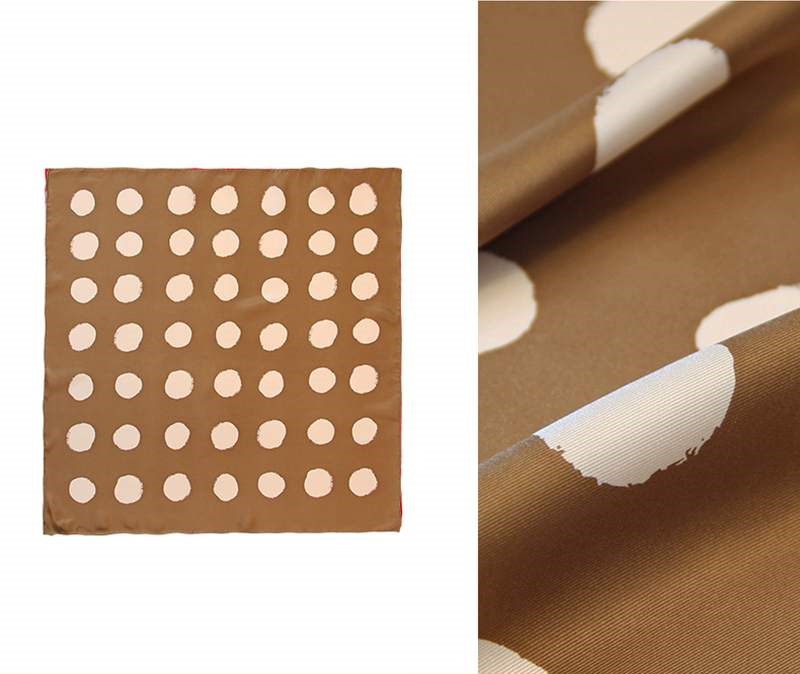
How Do Fiber, Weave, and Finish Affect Product Performance?
How Does Fiber Composition Affect Feel and Drape?
The fiber content of a fabric will determine its feel and its drape. Mulberry silk, for example, is one of the softest fibers, with a smooth drape and a natural fiber feel. Other types of satin, such as Polyester satin, have a smooth feel, but this can vary greatly depending on the yarn grade, the weight of the fabric, and the finish that has been applied to the fabric.
When dressing up items like scarves and sleepwear, the drape of the fabric is key to enabling them to be moved around. Other features such as Seams, Elastic, filling, and Labels all impact the end feel of items like eye masks, pillowcases, and hair accessories.
How Do Breathability and Moisture Behavior Differ?
Products worn on the face, neck, head, or body need more than a good gloss. Factors such as breathability and moisture management play a significant role in the overall comfort of the user in the long term.
Mulberry silk often fits premium sleep and fashion lines where natural comfort counts. Polyester satin can fit lines that stress low cost, strong shine, or simple care. Product type and buyer needs should guide the final pick.
Does Satin Weave Automatically Mean Better Quality?
Satin weave alone does not prove quality. Overall results also rest on fiber type, fabric build, weight, finish, print, and sewing.
A weak silk satin item can underperform. A well-made polyester satin item can match its market. Brands must judge the full sample, not gloss alone.
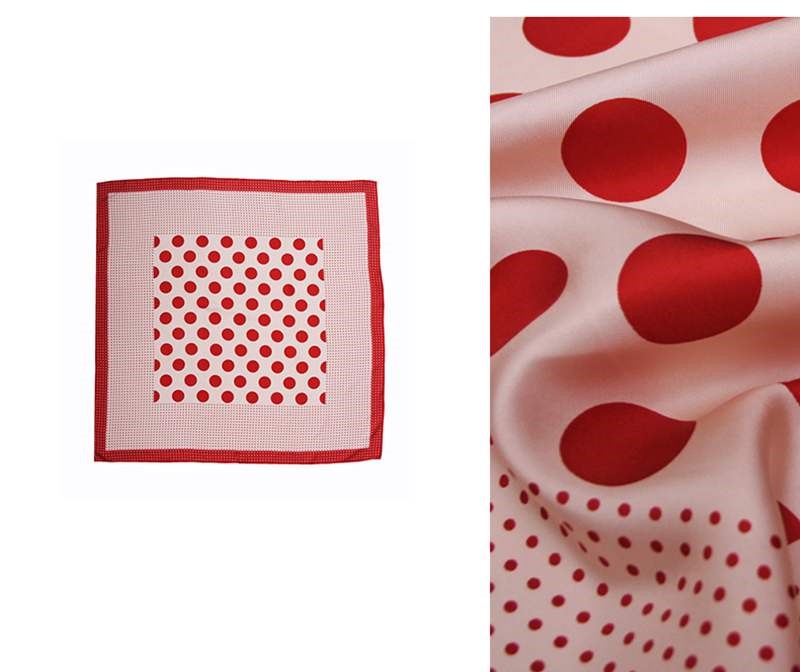
Mulberry Silk vs Polyester Satin: Which Works Better for Different Products?
Which Material Is More Suitable for Pillowcases and Eye Masks?
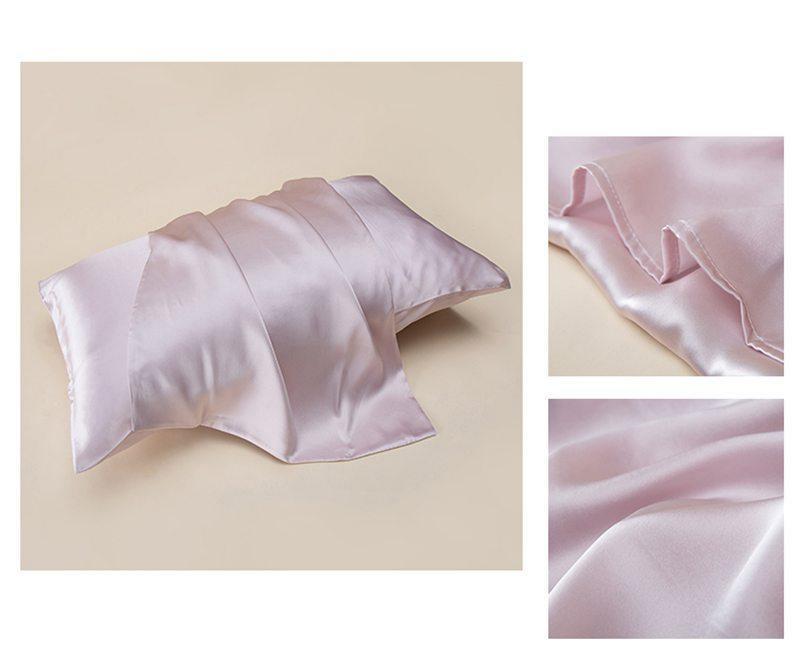
The mulberry silk vs polyester satin choice appears often for pillowcases and eye masks. Mulberry silk can suit premium natural-fiber lines. A polyester satin pillowcase can suit more budget lines.
Brands should weigh skin feel, temperature comfort, wash rules, seam build, and retail fit. This step stays on sourcing points.
Which Material Is Better for Scrunchies, Bonnets, and Hair Accessories?
Surface smoothness counts for scrunchies and bonnets. Construction counts too. A scrunchie needs checks on elastic pull, seam spot, edge finish, and fabric cover. A bonnet needs a review of both inner and outer layers.
Brands comparing mulberry silk vs satin for hair accessories must decide if they want a premium natural-fiber item, a lower-cost option, or two separate lines for different buyers.
Which Fabric Works Better for Scarves and Sleepwear?
Scarves and sleepwear need attention to drape, print results, breathability, softness, season, and price point. Mulberry silk supports premium placement. Polyester satin helps where cost control or easy-care messages matter more.
The right pick follows the design and target buyer. No fabric wins every case.
What Should Brands Check Before Choosing a Material?
How Can Buyers Verify the Exact Fiber Composition?
We would like to bring to your attention a couple of points you should take into consideration when purchasing your Bedding or Home Decor. The majority of items listed for Bedding and Home Decor are made from materials such as 100% mulberry silk, a silk blend, or even polyester satin. Just because something is described as ‘silky’, ‘silk-feel’ or ‘satin’ does not necessarily mean that the seller is using the material of the bedding they are trying to sell. The material name quoted in quotations, sample records, care labels, and production orders should be the same as quoted to the buyer.
What Should Be Checked in Fabric Swatches and Samples?
A swatch can show texture, sheen, thickness, see-through level, and drape. Brands should still test a finished sample. Printing, embroidery, hemming, filling, and labels can shift the outcome.
The sample needs checks for color, seam comfort, shape, wash response, and match to the approved spec.
How Can Zhigeng Silk Support Custom Product Development?
Hangzhou Zhigeng Silk Co., Ltd. produces custom silk scarves, pillowcases, eye masks, scrunchies, bonnets, sleepwear, and accessories. We can customize your products in terms of artwork, printing, size, color, label, and package.
We review product type, intended use, design, target market, and brand position. From this review, we guide clients toward suitable fabric choices instead of assuming one option fits every item.
Before sampling, clients can share artwork, dimensions, estimated quantity, preferred material, label needs, and packaging ideas. We use the sample stage to confirm look, hand feel, print result, and construction before bulk runs.
FAQ
Q: Is mulberry silk the same as satin?
A: No. Mulberry silk is a natural fiber, while satin is a weave. Satin can be made from mulberry silk, polyester, or other fibers, so buyers should confirm the fiber content.
Q: Is mulberry silk polyester?
A: No. The answer is that mulberry silk polyester stays clear. Mulberry silk is natural, and polyester is synthetic. They can both form satin, yet they differ as materials.
Q: What is the difference between polyester satin and silk satin?
A: The main difference between polyester satin and silk satin is the fiber used for the respective fabrics. While polyester satin is a synthetic fiber, it is made from polyester; silk satin is made from the fibers of the silk worm. When purchasing fabric, it is more useful to compare these fabrics along such criteria as comfort, drape, care, use, and market needs.

 consult
 WHATSAPP
 leave message
 top
top