






Related news
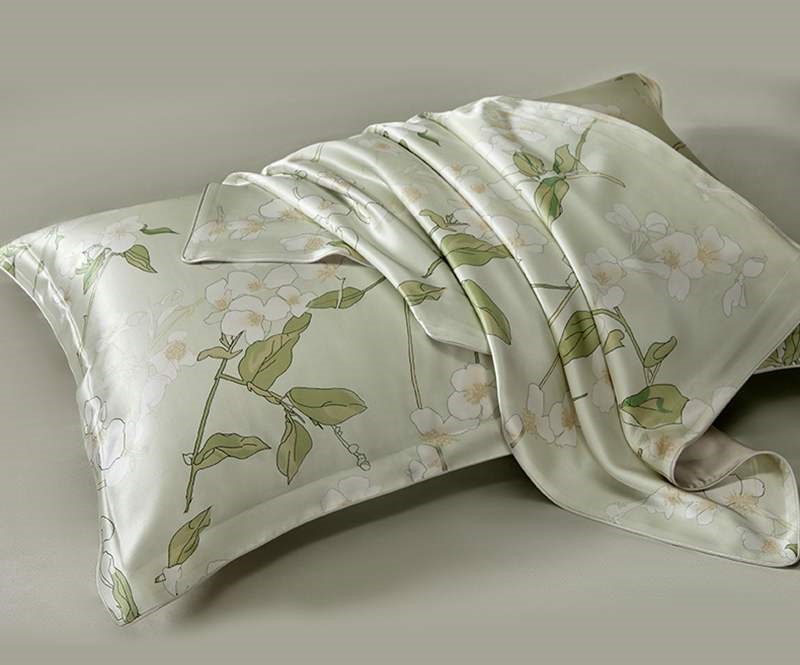
How to Choose a Mulberry Silk Pillowcase: 7 Quality Factors Buyers Should Check
A mulberry silk pillowcase online may look similar to other satin pillowcases for sale online. However, while other satin products are made of inferior quality materials, construction, and tests to ensure softness, ventilation, and appearance after months, superior quality mulberry silk pillowcases are made of special quality materials, construction, and tests to ensure softness, ventilation, and appearance after months of use. 7 things to look for when shopping for a superior quality mulberry silk pillowcase made of the finest silk, which will retain its softness and excellent ventilation even after several months. A purchasing guide for shoppers and for brands and their buyers.
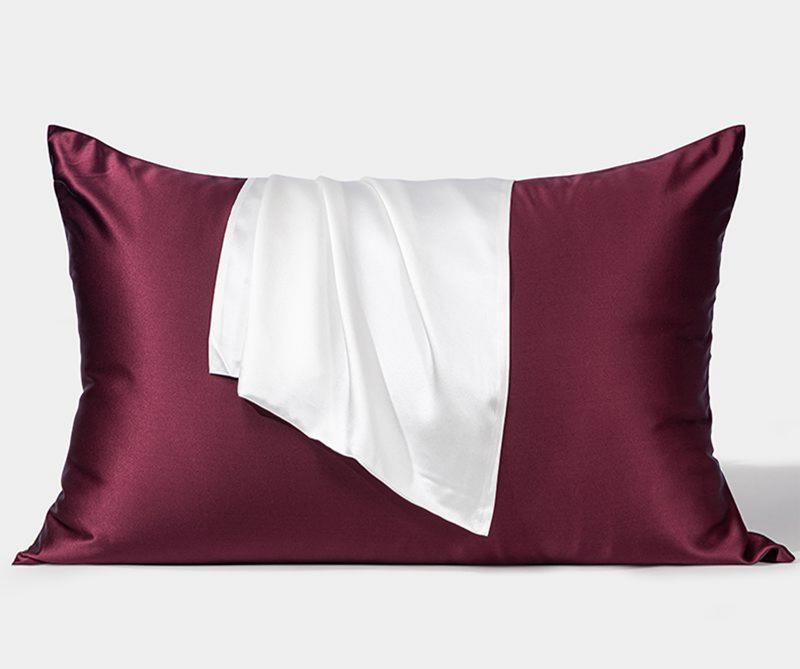
Confirm the Silk Fiber and Grade
Start with the fiber information. Mulberry silk is produced by silkworms that have been feeding on mulberry leaves, thereby providing long and uniform fibers. Instead of indicating a “silky” or “satin” feel, ask for a precise description of the fiber composition. Satin is a weave and can be produced from polyester or rayon fibers. 6A-grade silk is the highest quality mulberry silk used to produce pillowcases of the highest quality. These have a smooth surface, consistent quality, and last long. The silk used by Hangzhou Zhigeng Silk to produce pillowcases is 6A-grade mulberry silk. We can provide fabric swatches for your approval before production begins.
Compare Momme Weight with Your Use Case
Momme indicates the weight and thickness of silk fabric. A larger number generally points to denser material. Yet the largest figure is not always the best choice. Lighter silk performs nicely for summer bedding. 19 momme frequently delivers an effective balance of comfort, durability, and cost. Heavier options can feel more luxurious and last longer in hotel settings. Ask for the precise momme value, permitted variation, and a sample before you compare different quotes.
Inspect the Weave, Surface, and Breathability
Silk charmeuse or satin remains a popular selection. The smooth side reduces friction against hair and skin. Examine both sides of the material carefully. The front needs to appear uniform and glossy. The back must show no major slubs, pulls, or loose threads. Hold the fabric against light to detect any thin spots. Quality pillowcase fabric drapes gently and remains breathable. It must not feel rigid or retain heat like inexpensive synthetic satin often does.
Check Color, Print, and Chemical Safety
Color quality involves both visual appeal and safety. Request a Pantone match or laboratory sample for solid colors. For printed designs, check a digital file at first and then a physical sample when brand colors are important. Determine which dyes are applied and which tests they have passed. OEKO-TEX certification along with AZO-free dyes offers valuable confirmation for products that contact skin. Always review the full scope and current dates on these documents. We focus on OEKO-TEX-certified fabrics, AZO-free dye choices, and recycled packing.
Evaluate Seams, Closures, and Dimensional Stability
Even durable fabric can fail when the sewing is not strong enough. Examine the number of stitches, straightness of lines, strength at corners, and overall quality of the zipper or envelope closure. The opening needs to accommodate a standard pillow without excessive stretching. Dimensions must remain consistent after use. Request a size tolerance range and results from wash tests. A dependable producer conducts checks for shrinkage, color retention, and seam strength. Zhigeng Silk applies more than 50 QC checks on custom silk items.
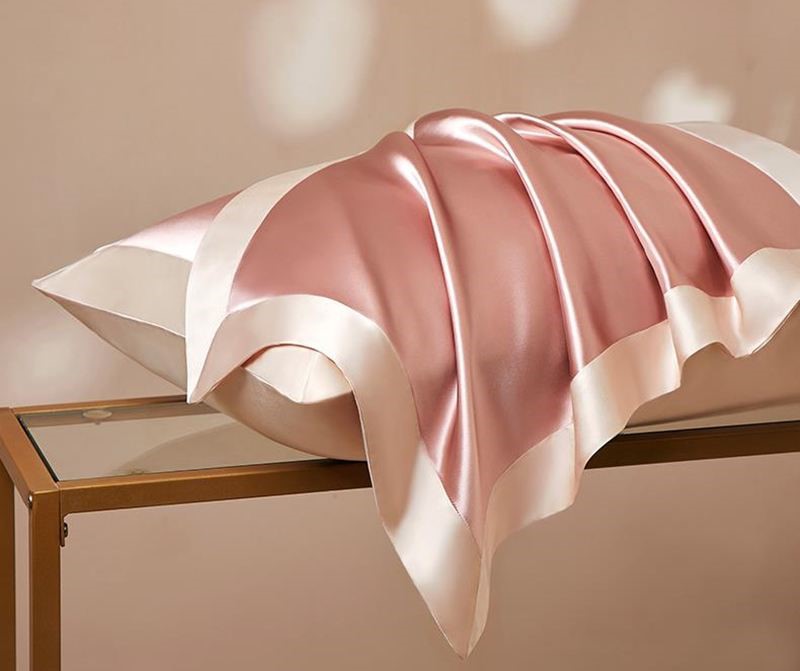
Match Customization to Your Brand Requirements
For a private-label or custom printed silk pillowcase, define the complete product specification before requesting a quotation.
Fabric and Artwork Specifications
Specify the silk grade, momme weight, weave, finished dimensions, closure style, print area, label position, packaging, and carton requirements.
Confirm which artwork formats the manufacturer accepts. Production-ready designs are commonly supplied as AI or PDF files, while high-resolution PNG files may be suitable for some printed artwork. Ask how digital proofs, color samples, and physical prototypes will be approved.
A complete specification prevents suppliers from calculating prices based on different materials or construction standards.
Sampling, MOQ, and Production Timing
Low-MOQ flexibility can make a significant difference for emerging brands, independent designers, and businesses testing a new collection.
At Zhigeng Silk, we support custom patterns, dimensions, Pantone colors, private-label packaging, and small-batch orders. Its stated workflow includes prototype sampling in approximately 7–10 days and bulk production in around 15–20 days, depending on the design, order quantity, material availability, and packaging requirements.
Treat these figures as planning estimates and confirm the final schedule in writing before placing an order.
Assess the Manufacturer, MOQ, and Total Buying Risk
The lowest unit price does not always equal the lowest overall cost. Compare sample charges, rework policies, packing, inspection, freight, duties, and payment conditions. Inquire how the producer manages color variations, rejected items, delayed deliveries, and replacement claims. Search for actual samples, QC records, export experience, and a responsive account contact. Hangzhou Zhigeng Silk combines expert finishing with personal service, low-MOQ possibilities, and DDP shipping for certain markets.
A Practical Buyer Checklist
Before approving a mulberry silk pillowcase, confirm these points:
Fiber content and 6A-grade papers
Momme weight, weave, fabric width, and tolerance
Physical sample for hand feel, back side, and stitching
Color proof, print method, and wash or colorfastness needs
OEKO-TEX or other safety papers
Finished sizes, closure, labels, packing, and care label
MOQ, prototype lead time, bulk lead time, inspection, and shipping terms
FAQ
Q: Is a higher momme always better for a silk pillowcase?
A: No. Higher momme delivers greater density and improved wear resistance. The ideal weight varies according to climate, comfort preferences, budget, and washing routines. Many buyers select 19 momme as a practical middle option. Request samples first.
Q: How can I tell whether a pillowcase is real mulberry silk?
A: Check the fiber label, supplier documents, and a physical sample. A satin label by itself is not sufficient because satin can be made from synthetic fibers. Laboratory testing provides the most reliable confirmation for large purchases.
Q: What should I ask a custom silk pillowcase manufacturer?
A: Ask about fiber grade, momme, testing, MOQ, sample timing, print and Pantone matching, size tolerances, packing, QC checks, and shipping terms. Obtain one written specification sheet so every quote can be compared accurately.
Q: Can small brands order custom printed pillowcases?
A: Many producers accept low-MOQ orders. The limits depend on fabric type, print method, packing requirements, and number of colors. Begin with a prototype sample and verify how approval of that sample influences the bulk production run.

 consult
 WHATSAPP
 leave message
 top
top