






Related news
Travel Silk Pillow Case: How to Choose the Right Size, Closure, and Momme
A hotel pillow, a compact cushion, and a U-shaped neck pillow may all be called “travel pillows,” but they do not take the same cover. Choosing a travel silk pillow case should begin with the pillow you will carry—not with a generic size label. The best case fits without straining its seams, stays secure, and balances packability with repeated washing.
Start With the Type of Travel Pillow
Before comparing silk grades or colors, decide whether the case will cover a hotel pillow, a compact rectangular insert, or a shaped neck pillow.
Hotel and rectangular travel pillows
A rectangular case is flexible for hotel use, but “travel size” is not universal. Current products range from about 30 × 40 cm to 40 × 60 cm, while some compact inserts measure around 36 × 51 cm. A small case may not cover a hotel pillow, while an oversized one can bunch beneath the face.
Measure width and length from seam to seam. Then measure loft at the thickest point. Because silk charmeuse does not stretch, allow modest ease. Ask the supplier to confirm finished internal measurements rather than cutting size.
U-shaped neck pillows
A silk pillowcase for travel pillow use on an airplane may need a curved pattern, not a miniature rectangle. For a U-shaped memory-foam pillow, record the outer width, inner neck opening, arm length, circumference, and foam thickness. A removable cover with a concealed zipper is usually more practical than a slip-on tube. It can follow the curve without leaving a wide opening.
When shopping for silk travel pillow cases, check whether the listing includes the cover, the pillow insert, or both. Product photos can make these options look identical. So the contents should be explicit in the specification.
Choose a Closure That Matches the Journey
Closure design affects both security and sleeping comfort. An open-ended case is easy to sew, but it is the least dependable choice when the pillow is moved between a suitcase, aircraft seat, and hotel bed.
Hidden zipper closure
A concealed side zipper creates a secure fit for compact rectangles and neck-pillow covers. It should sit away from the face-contact zone, with a small or covered pull. During sampling, inspect its tape, end stops, seam reinforcement, and whether it snags the silk.
Envelope closure
An envelope back has no hardware and works well for a rectangular travel silk pillowcase used over different hotel pillows. Its overlap must be deep enough to hold the insert. A shallow flap may gape around thick pillows.
Drawstring, snap, and open-end designs
Drawstrings can suit decorative mini pillows or washable pouches, but loose cords are less convenient around the neck. Snaps may secure a U-shaped silk travel pillow, although their position needs testing in seated sleep. An open end is the lightest option. But it is best reserved for a close-fitting rectangular insert that will not be carried uncovered.
Select the Right Momme for Travel
Momme measures silk fabric weight. A higher number generally means a denser, heavier fabric. It is more useful for silk than a cotton-style thread-count claim. For travel cases, the goal is not simply to choose the highest number. Instead, match weight to washing frequency, luggage space, and price.
19 momme: light and compact
Nineteen momme is a practical lightweight option for occasional trips, gift sets, or travelers who focus on portability. Construction still matters. Reinforced seams and a well-installed closure can matter more than extra momme paired with poor sewing.
22 momme: a durable all-round option
Twenty-two momme adds density and a substantial hand feel. It suits frequent travel and regular laundering. It weighs and costs more than 19 momme but offers a useful middle ground between compact packing and service life.
Heavier 25 momme silk feels rich but takes more space, dries more slowly, and may exceed the needs of a small neck-pillow cover. Compare swatches before approval.
Check the Silk, Weave, and Construction
Material labels deserve close reading. Silk is a natural fiber. Satin describes a weave and may be made from polyester. For authentic mulberry silk pillowcase benefits, look for a clear fiber statement such as 100% mulberry silk rather than “silky satin.” Mulberry silk charmeuse is popular because its smooth face reduces surface friction. This may help limit hair tangling and facial drag during sleep. It should not be presented as a treatment for skin or hair conditions.
Ask whether both sides are silk. A case with a polyester reverse may cost less, but it will not provide the same feel when flipped. Grade information, momme, and an OEKO-TEX certification can provide additional material and chemical-safety context. Zhigeng Silk specifies premium 6A-grade mulberry silk and OEKO-TEX-certified material in its custom silk program.
Check for even seams, clean corners, no zipper puckering, and enough seam allowance for repeated removal. Follow the care label. Use a silk-suitable detergent. Avoid chlorine bleach. Dry away from strong heat and sunlight.
Build a Clear Custom Travel Pillowcase Specification
For a retailer, hotel, airline amenity program, or wellness brand, a useful request for quotation should define the complete product rather than ask only for a “silk travel case.” Include:
*Pillow type and finished internal dimensions;
*Insert loft or full U-shaped measurement set;
*100% mulberry silk, weave, grade, and momme;
*Silk on one side or both sides;
*Zipper, envelope, snap, or other closure details;
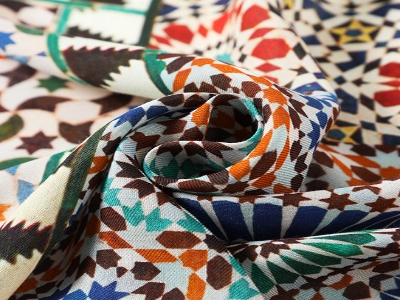
*Solid dye, embroidery, or custom printartwork;
*Label, care instructions, pouch, and retail packaging;
*Order quantity, sample requirement, delivery destination, and deadline.
Zhigeng Silk supports personalized sizing, fabric selection, colors, patterns, labels, and private-label packaging. For printed work, we request production-ready artwork and can assist with design development. High-resolution files and Pantone references help improve color communication.
Do not approve bulk production from a digital mockup alone. Fit, operate, inspect, wash, and refit a physical sample. We state typical sampling of about 7–10 days and bulk production in roughly 15–30 days. Reconfirm timing for the product, quantity, packaging, and season.
A Fast Decision Checklist
Choose a travel silk pillowcase only after you can answer five questions: Does it fit the exact pillow shape and loft? Will the closure remain comfortable and secure? Is the momme suitable for the expected wash cycle? Is the material genuinely 100% mulberry silk on the required sides? Can the supplier reproduce the approved sample consistently?
For a compact occasional-use rectangle, 19 momme with a well-made envelope or concealed zipper is a sensible specification. For frequent travel, 22 momme and a secure closure usually justify the added density. For a shaped neck pillow, accurate pattern measurements and a removable zip cover matter more than a generic size name.
FAQ
Q: What size is a travel silk pillowcase?
A: There is no single standard travel size. Rectangular products commonly range from about 30 × 40 cm to 40 × 60 cm, while U-shaped pillows require a fitted curved pattern. Measure the actual insert and its loft before choosing.
Q: Is a zipper or envelope closure better for travel?
A: A hidden zipper gives the most secure, tailored fit. An envelope closure removes hard components and adapts more comfortably to slightly different rectangular pillows, provided the overlap is deep enough.
Q: Is 19 or 22 momme better for a travel pillowcase?
A: Nineteen momme is lighter and easier to pack. Twenty-two momme is denser and better suited to frequent use and washing. Fabric quality, seam construction, and care also influence durability.
Q: What are the main mulberry silk pillowcase benefits when traveling?
A: The smooth surface creates less friction than many rougher fabrics and may reduce hair tangling and facial drag. Silk is also lightweight and comfortable across changing room conditions, but it should not be treated as a medical solution.
Q: Can a custom silk pillowcase be printed with a logo or pattern?
A: Yes. A manufacturer can adapt size, color, printed artwork, embroidery, labels, and packaging. Approve a physical sample to verify fit, color, closure comfort, seam quality, and wash performance before bulk production.

 consult
 WHATSAPP
 leave message
 top
top