






Related news
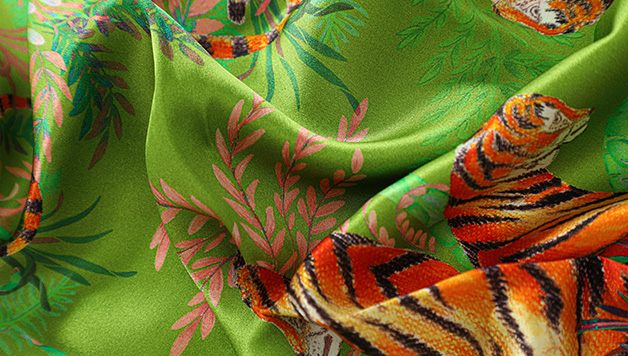
What Is Polyester Silk Understanding Silk-Like Fabrics and Their Uses
Polyester silk often refers to polyester cloth made to copy the look of silk. It refers to style or touch, not a fresh natural thread. A glossy scarf may hold no silk at all. A real mix, though, holds both fibers in clear shares. For buyers and makers, this fact shifts how they label, test, print, and clean the cloth.
The key point is not just if the cloth looks rich. What matters is its makeup and whether its build fits the job. This guide links those facts to daily goods and custom accessory work.
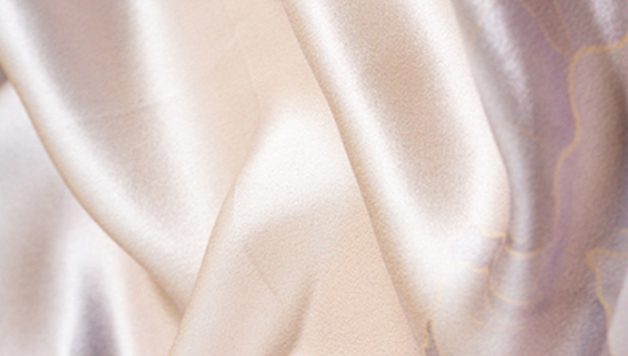
What Polyester Silk Means on a Fabric Label
Silk-Like Polyester Fabric Is Not Natural Silk
Polyester comes from a man-made polymer thread. Rag SEO AI Content: Silk is made from natural protein fibers that silkworms produce to create a silk thread. Silk-like polyester fabric has the same smooth feel, lustrous appearance, and soft drape of silk. It is made with fine fibers, a tight weave, and a soft surface finish that leave its makeup unchanged.
A label that says 100% polyester means the cloth holds no silk. Words like “silky,” “silk touch,” and polyester silk fabric need a check against the real fiber list. 0.211Feel and shine may hint at some characteristics but do not have to prove any sort of order. Ask for clear fiber proof or an outside fiber test when truth matters.
A Polyester Silk Blend Needs Stated Percentages
A polyester silk blend differs from fake silk. It contains real silk and polyester. The shares count because a small silk part does not give the whole cloth the traits of pure silk.
When you check silk-polyester blend fabric, ask for shares by weight and how the threads sit. Silk in one thread way and polyester in the other can act unlike mixed threads. State the makeup in the buy note rather than trust a supplier name.
Why Polyester Satin Fabric Can Feel Like Silk
Polyester satin fabric joins a fiber with a weave. Satin makes long thread floats on the face, which gives a smooth side and bright shine. Satin can also come from silk, so “satin” alone does not name the stuff.
Even fine thread can produce polyester that feels like silk. Most importantly, this must feel light and soft to the touch. There can be a large difference between two different polyester satins in their stiffness and see-through properties and in the degree to which they will pull. Most photos do not show these differences.
Satin is one choice only. Polyester chiffon gives a light, open look. Crepe adds a rougher face. When you pick a silk-like fabric, check a sample for the right mix of shine, drape, cover, and feel your item needs. A bright face is not always the best fit for fine art or plain style.
Polyester vs Silk for Comfort and Everyday Uses
In a polyester vs silk comparison, silk takes in more water while polyester takes in little. Air permeability of fabric is affected by weave and by weight of fabric. Looser weave polyester fabric could be more permeable than tight weave silk fabric. Breathability is not a simple yes/no characteristic.
Polyester fits linings, event add-ons, and often-touched decor items well. It can give crease hold and easy care. Silk works for top scarves and skin-touch add-ons when natural thread and soft feel drive the item’s place. Both need build tests.
When buying pillowcases and sleepwear, look for a combination of warmth, skin contact, washability, and seam strength. A smooth face helps prevent getting caught in the fabric, but “silky” on the label does not necessarily mean good for hair, skin, or health. Will it stick to itself, show through, or pull at seams?
Choosing Silk-Like Fabrics for Custom Print Accessories
Match the Printed Fabric to the Finished Product
At Zhigeng Silk, we make custom printed silk scarves, silk eye masks, pillowcases, and hair accessories.
Silk satin: 14, 16, 19, 22 momme. Twill: 14, 16, 19 momme. Crepe de chine: 14, 16 momme. Momme shows silk cloth weight. These are build picks to test, not a claim that more weight means better prints.
Part choice counts too. Its eye mask notes split a silk satin shell, fill, block layer, and trim that may be polyester satin or silk. A polyester trim does not turn the shell into a mix. Ask for a part list when look and feel rest on parts of one item.
Approve Custom Print Samples on the Actual Material
Polyester takes disperse dyes, such as heat print steps for right builds. Silk needs a fit print way, often with reactive or acid dyes. A file that prints well on one cloth may shift color on the next. Test the end cloth and finish before bulk runs.
For its fine silk scarf art, the firm suggests JPEG or TIFF files, Adobe RGB (1998), and 300 dpi for one- or two-side art. It also helps scan art and build print files. Check end size and file needs before sending, then view the real sample for fine lines, back tone, and back side look.
Fabric Specifications and Supplier Checks Before Ordering
Confirm Composition, Weight, and Performance
A good silk-like fabric sourcing specification lists fiber shares, weave, weight, use width, end size, and print place. Use grams per square meter for like cloth weights. If silk uses momme, ask for one clear base. Weight does not prove purity or long life.
Set tests that fit the use: wash shrink, color hold to wash and rub, seam slip, and snag where fit. Check samples after the care step. A cloth that looks fine before wash may shift in feel, shade, or fit after.
Clarify MOQ, Sampling, Lead Time, and Packaging
For custom fabric MOQ and sampling, ask if the low count fits per art, color, size, or whole buy. Split cloth low count from print and sew low count. Get sample cost, check steps, and a build plan that starts from a set point, such as sample ok.
For its two-sided silk scarves, Zhigeng Silk lists one-piece sample and a usual sample time of 7–10 days. Its end picks hold hand-rolled edges or a small machine hem, with its own tags and packaging such as mailers, boxes, or bags. Check the set plan and low counts. A silk scarf note is not a polyester build note.
FAQ
Q: Is polyester silk real silk?
A: Most times, no. The term points to polyester with a silk-like face. Only a clear silk part makes a true mix. Check the fiber tag and proof papers.
Q: Is polyester satin the same as silk satin?
A: Same satin weave – two different fibers. Check the makeup, check the weight of the cloth, check a real sample – don’t rely on the shine to judge.
Q: Is polyester silk breathable in hot weather?
A: Feel rests on weight, weave, fit, and face. Polyester takes in little water in its threads, so test the real cloth in the wear spot.
Q: How should silk-like polyester fabric be washed?
A: Follow the care tag on the end item. Polyester cloths generally can be washed in a mild wash cycle but are often damaged by heat on cloths or faces. Care of mixes, trims, and prints can vary from normal fabric care.
Q: Can silk-like polyester fabric be custom printed?
A: Yes, with a step that fits its makeup and face. Check a test print on the real cloth, then a full sample if stitching, back side show, or pack shapes the end look.

 consult
 WHATSAPP
 leave message
 top