






Related news

Polyester vs Silk: How to Tell the Difference and Which Fabric Is Better?
A glossy surface does not tell you what a fabric is made of. Silk satin and polyester satin can look quite alike on a product page. Yet they behave differently once they touch the skin, go through a wash cycle, or move through production.
The useful comparison is not simply polyester vs silk. It is a question of priorities. These include comfort, appearance, care, print performance, durability, and the conditions in which the finished product will be used.
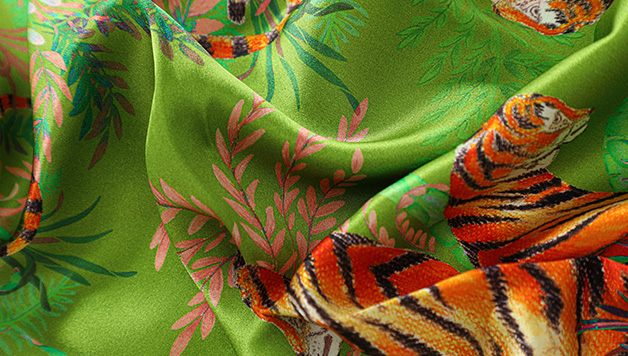
Polyester vs Silk: Start With the Fiber
Silk is a natural protein fiber made by silkworms. Long filaments give it a fluid drape and a soft luster that shifts as the fabric moves. Silk also absorbs moisture. It feels relatively cool at first contact. This explains its popularity in scarves, sleep accessories, lingerie, and other products worn close to the body.
The quality of silk depends on more than the word “silk” on a label. Fiber grade, yarn size, weave, finishing, and fabric weight all affect the result. Zhigeng Silk works with 6A-grade mulberry silk. It offers constructions such as silk satin, silk twill, and silk CDC. A 16mm satin eye mask, for example, will feel and hold its shape differently from a heavier 22mm version.
Polyester is a synthetic polymer fiber. Manufacturers can adjust its yarn, weave, and finish. This produces a crisp lining, smooth satin, brushed surface, or lightweight fabric. It is strong and dimensionally stable. It is also usually easier to wash than silk. Those qualities make it useful for uniforms, event merchandise, promotional goods, and products that face frequent handling.
“Satin” identifies a weave structure. It does not identify the fiber. That distinction prevents many purchasing mistakes.
Is polyester silk?
No. Is polyester silk is a frequent search. Some polyester fabrics are sold as “silky” or “silk touch.” Those terms describe the surface impression, not the material itself. A fabric labeled 100% polyester contains no silk. This holds true regardless of how closely it resembles charmeuse.
For a commercial order, rely on the fiber-content label. Use a technical specification or a composition report instead. Marketing language alone is not enough.
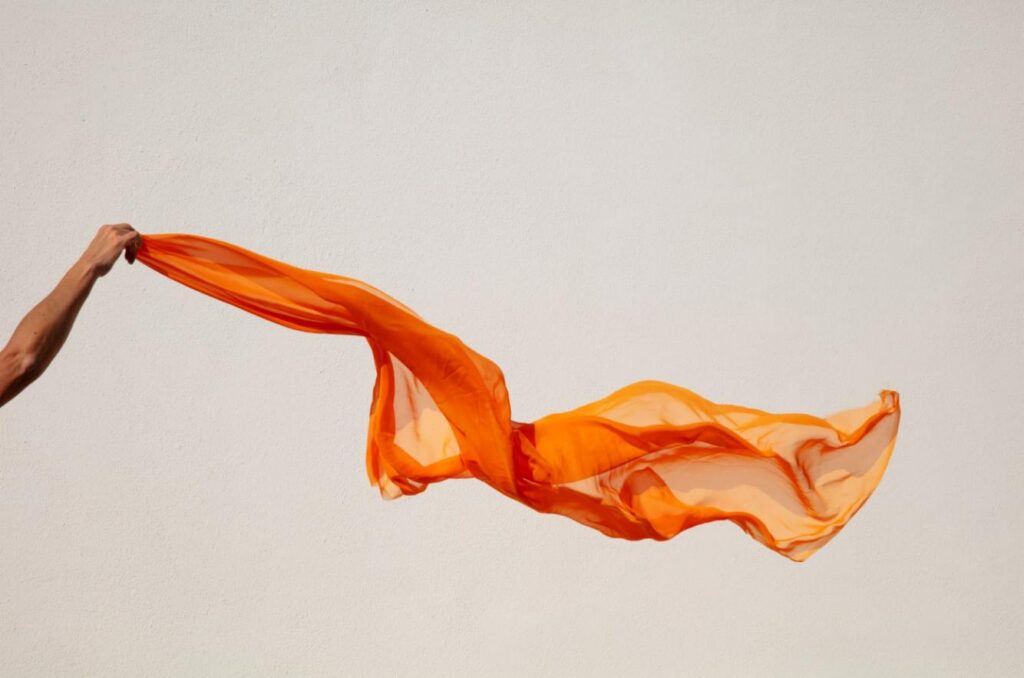
How to Tell Silk from Polyester
A few simple observations can help identify an unknown fabric. None should be treated as conclusive when the product is expensive or the order is large.
Silk normally feels cool when you first pick it up. It warms quickly in your hand. Its luster is layered and slightly irregular. This happens because light reflects through the filament structure. Polyester is often more uniform. It may feel slick, crisp, or unusually smooth. Its shine can look brighter from a single angle.
Try gently squeezing a hidden section. Silk tends to form soft wrinkles that relax gradually. Polyester usually springs back more readily. This test becomes less reliable when the fabric has been heavily finished, blended, or coated.
A water drop offers another clue. Silk generally absorbs moisture and darkens briefly. A tightly woven polyester fabric may hold the drop on the surface. Or it may allow the drop to spread more slowly. Static is also common with polyester, especially in dry conditions. Silk tends to create less cling.
When a burn test is appropriate
Burn testing belongs in a controlled quality-check process, not in a finished garment. If a supplier approves it, use only a loose yarn or a small swatch. Silk smells like singed hair and leaves soft ash. Polyester melts and may form a hard bead with a chemical odor.
For wholesale goods, a laboratory fiber test is the safer route. It is particularly useful when a fabric is described as “silky polyester.” It also helps when a blend is suspected or when the product specification affects customs or labeling.
Difference Between Silk and Polyester in Use
The difference between silk and polyester becomes clearer after the fabric is made into a product.
| Skin comfort | Smooth, breathable, moisture-managing | Depends heavily on yarn and finishing |
| Appearance | Deep, natural luster | Consistent shine, sometimes more reflective |
| Drape | Fluid and responsive | Ranges from soft to structured |
| Washing | Requires gentler handling | Usually more forgiving |
| Color | Rich tonal depth | Bright and repeatable |
| Heat response | Can be damaged by high heat | May melt, distort, or lose finish |
| Cost | Higher material and workmanship cost | More predictable cost at volume |
For a sleep mask or luxury scarf, silk’s breathability and hand feel usually justify choosing it over polyester. For a washable staff scarf or a large promotional run, polyester may be the more sensible material.
There are exceptions. A lightweight polyester with a good finish can outperform an inexpensive silk in abrasion resistance. A loosely woven silk can snag easily. A dense polyester fabric may last longer in daily use. The specification matters as much as the fiber name.
Custom Printing: Where the Choice Affects the Result
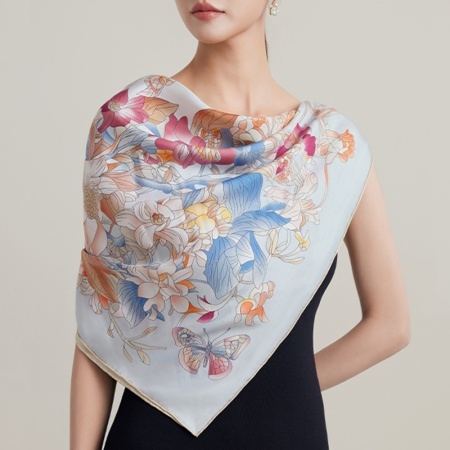
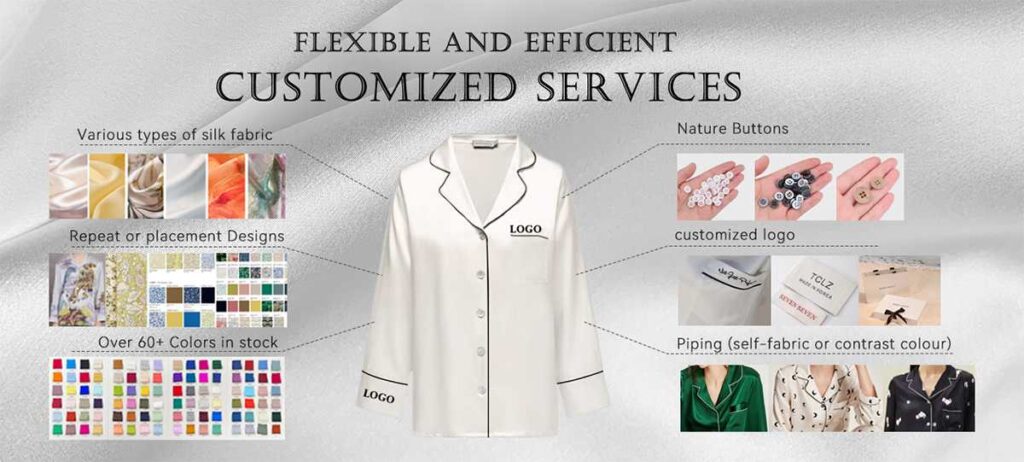
Printing changes the decision. Silk gives artwork a softer visual depth and a premium tactile finish. But it requires careful control of ink, heat, and handling. At Zhigeng Silk, we provide custom print services for silk scarves and sleep accessories. These include single-sided and double-sided digital printing. Double-sided printing is useful when a scarf design needs to remain legible after folding. It also works well when both faces are part of the presentation.
Its custom-printed silk sleep masks use silk satin or charmeuse in 16mm, 19mm, and 22mm weights. Buyers can specify silk or PP cotton lining. They can also choose black or light-gray blackout fabric. Those choices affect softness, opacity, weight, and the way the mask sits on the face.
Polyester is often selected for repeatable color, larger campaign quantities, and products that will be washed frequently. The result still depends on construction. Yarn denier, weave density, coating, and finishing can make one polyester satin feel fluid, and another feel stiff. Requesting a strike-off is essential. A digital image cannot show hand feel or reveal whether fine details remain sharp after printing.
Questions B2B Buyers Should Settle Early
Ask for the minimum order quantity (MOQ), usable fabric width, GSM, edge options, printing method, and approved color standard before approving a sample. Clarify sample charges, lab-dip timing, production lead time, and the tolerances allowed for shade, dimensions, and registration.
Inspection points differ by material. On silk, look for slubs, pinholes, oil marks, uneven weight, and pulled threads. On polyester, check for streaks, coating inconsistency, static, heat distortion, and uneven color.
Packaging also deserves a written specification. Zhigeng Silk can provide individual OPP bags or customized envelopes, boxes, and bags for scarf orders. A purchase order should state folding method, labels, carton marks, protective wrapping, and shipping documents. These details prevent avoidable surprises after production.
Zhigeng Silk describes a quality system with more than 50 QC checkpoints. That does not remove the need for buyer approval. But it gives a production team a defined process to review. Its stated schedule is typically 7–10 days for prototype sampling and 15–20 days for bulk production, depending on the product and order.
Care and Service Life
Silk should generally be washed in cool water with mild detergent and little agitation. Dry it away from direct sunlight. Keep it clear of rough hardware and sharp jewelry. The care label takes priority because dyes and finishes can change the recommended method.
Polyester usually tolerates stronger washing. But high heat can flatten its sheen, set wrinkles, or damage a printed surface. Chlorine bleach is a poor choice for either fiber. Test stain treatments on a hidden area first.
The better material is the one that fits the product’s actual life. Polyester may be the right answer for a frequently washed promotional item. Silk makes more sense when touch, drape, and presentation carry the value of the product.
FAQ
Q: How can I tell if a scarf is real silk?
A: Read the fiber label. Feel for a cool and responsive hand. Look for a nuanced rather than plastic-looking luster. For a valuable or wholesale order, request a composition certificate or laboratory report.
Q: Does polyester look exactly like silk?
A: Good polyester satin can imitate silk’s shine and drape. But breathability, crease recovery, touch, and light reflection usually differ when the fabrics are compared directly.
Q: Which fabric is better for sensitive skin?
A: Silk is often more comfortable because it is smooth and breathable. Dyes, coatings, and finishing treatments also matter. So evaluate the finished product rather than the fiber name alone.
Q: Is silk harder to care for than polyester?
A: Usually. Silk needs lower heat and gentler washing. Polyester is generally easier to launder. Follow the care instructions supplied with the finished item.
Q: Can custom printing be done on both fabrics?
A: Yes. Both materials can be digitally printed. But the inks, heat settings, and finishing requirements are different. Approve a printed strike-off before placing a bulk order.

 consult
 WHATSAPP
 leave message
 top