






Related news
How to Choose the Best Silk Pillowcase for Your Brand: Fabric, Momme, and Customization Guide
For brand owners, a pillowcase is more than a sleep accessory. It is a tactile product that communicates quality every night. It is also a practical canvas for your visual identity. This guide explains how to evaluate the best silk pillowcase for a collection. You will review fiber, momme, print execution, packaging, and supplier controls.
Start with the Fiber: What Makes Silk the Best Material for Pillowcases
Why Mulberry Silk Works for Hair and Skin
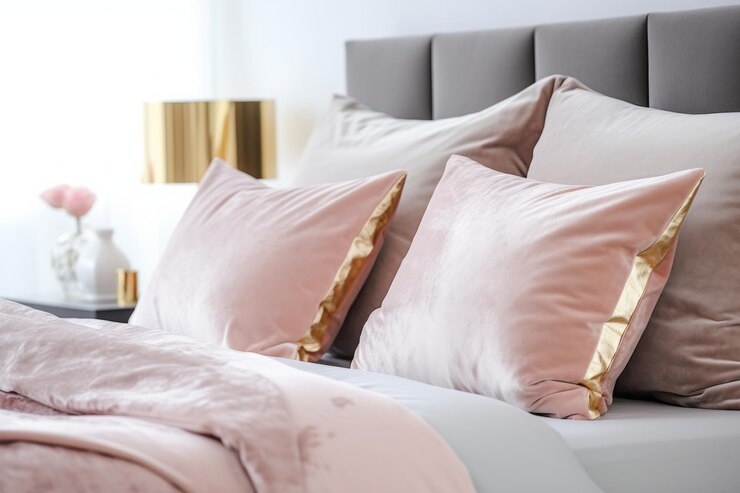
When looking for the best material for pillowcases, most people compare silk to cotton, polyester satin, and blends. Of these, long-filament mulberry silk is the premium material. The smooth surface of silk creates less friction than other textures, which is particularly important for hair with fine strands, curls, hair extensions, or very sensitive skin. Also, unlike cotton, silk absorbs very little moisture, which means products left on the face will not soak into the fabric of your silk pillowcase.
For merchandising, describe these as the mulberry silk pillowcase benefits for hair and skin. Do not promise medical outcomes. A well-made shell can help reduce morning creases, tangling, and the dry feel linked to absorbent bedding. Fiber origin, degumming, dye quality, and finishing decide whether those benefits survive repeated washing. Request test swatches before you approve a production run.
How Silk Delivers a Cooling Sleep Experience
A silk cooling pillowcase is not a separate fiber category. Its cool hand feel comes from silk’s thermal conductivity, breathable weave, and lightweight construction. In warm climates, a 19–22 momme charmeuse with a well-finished zipper often balances cooling comfort and durability better than a very heavy cloth.
Use Momme to Set a Clear Quality and Cost Target
Comparing 19, 22, and 25 Momme
Momme (mm) measures silk weight, not purity. For most retail pillowcases, 19, 22, and 25 momme are practical benchmarks. Nineteen momme feels light and drapey. Twenty-two momme gives a reassuring body for daily use. Twenty-five momme reads as a luxury upgrade. It also raises material cost and shipping weight. A clear specification should state the tolerance, weave, silk grade, and whether the measurement applies before or after finishing.
Specs Beyond Momme
Do not choose momme in isolation. Ask for warp and weft density, colorfastness, seam strength, shrinkage after laundering, and pilling or snag resistance. A lower-momme case with balanced construction can outperform a heavier case with weak yarns. For the best pillowcase for hair positioning, prioritize a smooth, low-friction face and a stable fit over headline weight alone.
Design a Custom Silk Pillowcase That Sells the Brand
Selecting Size, Closure, and Packaging
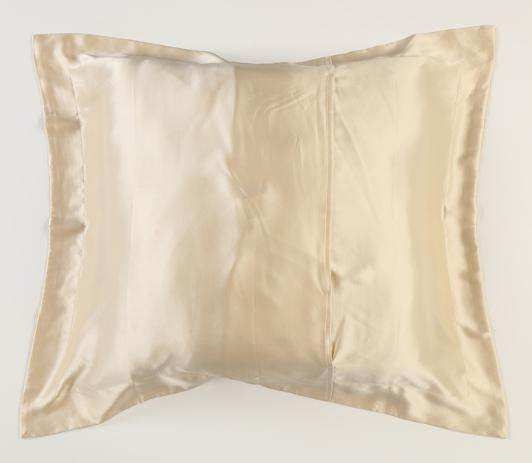
A custom silk pillowcase should be planned like a small textile collection. Start with dimensions, closure, label placement, and a repeatable color system. Hidden zippers create a clean hotel look. Envelope closures reduce hardware and can simplify assembly. Add a wash-care label that matches the actual tested process.
Choosing Digital or Screen Printing
Zhigeng Silk is located in Hangzhou, China. This city is widely recognized as a center of silk production. The company has more than 15 years of experience working with fashion brands, wholesalers, artists, and online retailers. This background is relevant to pillowcase buyers. The same textile decisions used for scarves and other silk products also affect pillowcase results. These decisions include yarn quality, pretreatment, print registration, color stability, edge finishing, and packing.
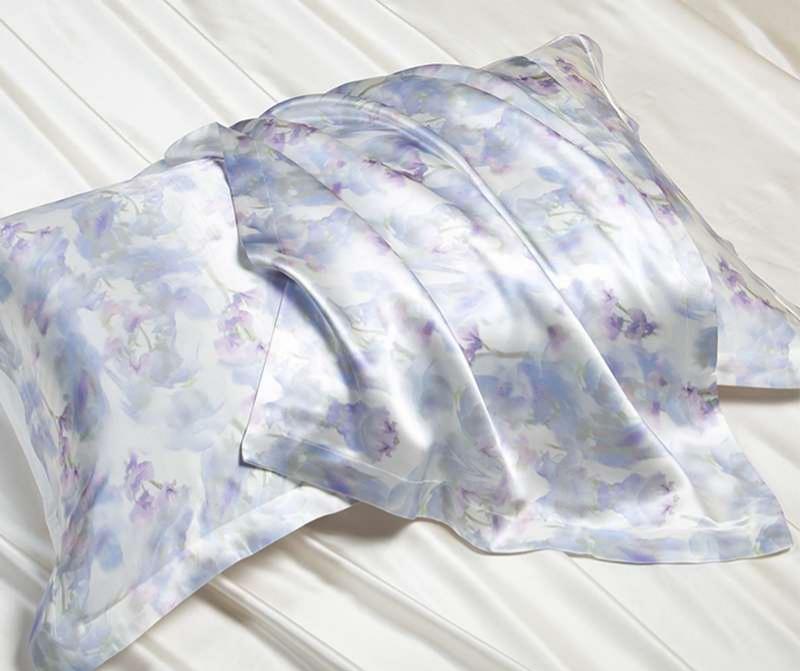
We offer three printing methods: single-sided digital printing, double-sided digital printing, and hand-screen printing. Detailed artwork, gradients, illustrations, and photographic effects are printed very efficiently with single-sided digital printing. Double-sided digital printing allows both sides to be designed and printed in the same way. This is useful for reversible products and premium presentation. Hand-screen printing is better suited to bold graphics, dense spot colors, and designs where a more tactile surface is part of the brand story.
A practical custom workflow begins with the customer’s artwork and intended size. The supplier reviews the file, confirms the silk base and print coverage, prepares a sample, and adjusts color or registration before bulk production. Brands should request a physical strike-off on the final silk. Colors can change with the weave, pretreatment, dye absorption, and finishing method. Keep an approved master sample. It gives the production team a reference for future replenishment orders.
Building Variants for Different Customers
Build variants that answer real use cases. Offer a black silk pillowcase for minimalist collections. Offer a patterned silk pillowcase for gift and lifestyle lines. Offer a silk pillowcase for black hair or a silk pillowcase for locs with generous dimensions and a smooth closure that will not catch. For hospitality programs, coordinate fabric, size, and laundering requirements with hotel pillowcases already in service.
Supplier Checks: MOQ, Sampling, and Quality Control
A supplier quote is useful only when every assumption is visible. Confirm MOQ by color and print, sample fees, production lead time, approved tolerances, and payment milestones. Ask whether sampling uses the same fabric lot, machinery, and finishing route as bulk production. For new artwork, approve a physical pre-production sample. Retain a signed master for color and construction reference.
Your inspection plan can be simple and repeatable. Verify dimensions after washing. Inspect seams and zipper operation. Compare print registration against the master. Check shade under daylight and store lighting. Define an acceptable defect level before production.
Zhigeng Silk’s long-standing work with different customer groups is also useful when evaluating communication and development support. For a brand, it can be very valuable to have a supplier that can explain the differences between single-sided and double-sided printing, recommend a suitable base cloth, can give information about the sample delivery time, and can make sure that the products are packed in a suitable way for different sales channels. These questions should be answered before you place a purchase order. Clear specifications reduce rework and make future repeat orders more consistent.
Packaging should protect silk from abrasion and moisture. It should also present the brand. Tissue, a reusable pouch, and a care card can create a premium unboxing experience without excessive plastic.
For pop-ups and gifting, a travel silk pillowcase in a compact pouch extends the line. It gives customers a low-commitment entry product. Keep its dimensions and print colors aligned with the full-size case. This way it functions as a genuine collection, not leftover inventory.
Make the Final Choice with a Buyer’s Scorecard
Score each candidate on five factors: fiber authenticity and hand feel, momme and construction, print fidelity, fit, closure, wash performance, and supplier reliability. Weight the factors according to your channel.
A hotel contract may prioritize laundering and replacement consistency. A direct-to-consumer launch may emphasize artwork and packaging. A boutique gift line may need a black silk pillowcase and a patterned silk pillowcase in the same base quality. This lets customers mix and match.
The benefits of mulberry silk pillowcases for hair and skin become credible when your specifications and care instructions support them in daily use. The strongest product does not have to be the largest or most decorated. A product is strongest when the fiber, construction, design, and supplier process all work consistently from the sample to replenishment.
FAQ
Q: What momme is best for a silk pillowcase?
A: Twenty-two momme works well as a starting point for retail. It feels solid, smooth, and lasts well without being too heavy. Choose 19 momme for a lighter price point or 25 momme for an elevated luxury tier. Then validate shrinkage and seam strength.
Q: Is mulberry silk better than satin for hair?
A: Mulberry silk is a natural filament fibre with a smooth surface and breathable characteristics. Satin refers to a weave and can be produced with polyester or other fibers. In contrast to this, one has to compare the actual fiber content, surface finish, and test results.
Q: How can a brand customize a silk pillowcase?
A: Customize size, closure, labels, packaging, and artwork. Digital printing supports detailed or photographic designs. Screen printing suits bold spot colors. Approve a physical strike-off before bulk production.
Q: Are silk pillowcases suitable for locs and textured hair?
A: Yes, when the surface is smooth and the case accommodates the hairstyle without compression. Offer a generous fit, secure closure, and care guidance that reduces friction and snagging.
Q: How should silk pillowcases be washed?
A: Follow the tested care label. In many constructions, a cool, gentle cycle or careful hand wash, mild detergent, and air drying away from direct sun help preserve luster and print. Avoid bleach and high heat unless testing proves otherwise.

 consult
 WHATSAPP
 leave message
 top
top